A Step-by-Step Guide to Effective Wildlife and Forestry Integration
LL
Understanding Wildlife and Forestry Integration
Integrating wildlife management with forestry practices is essential for maintaining biodiversity and ecosystem health. This process involves creating and managing forest landscapes to support wildlife habitats while achieving forestry goals. Successful integration requires knowledge of both forestry and wildlife needs.
Assessing the Current Landscape
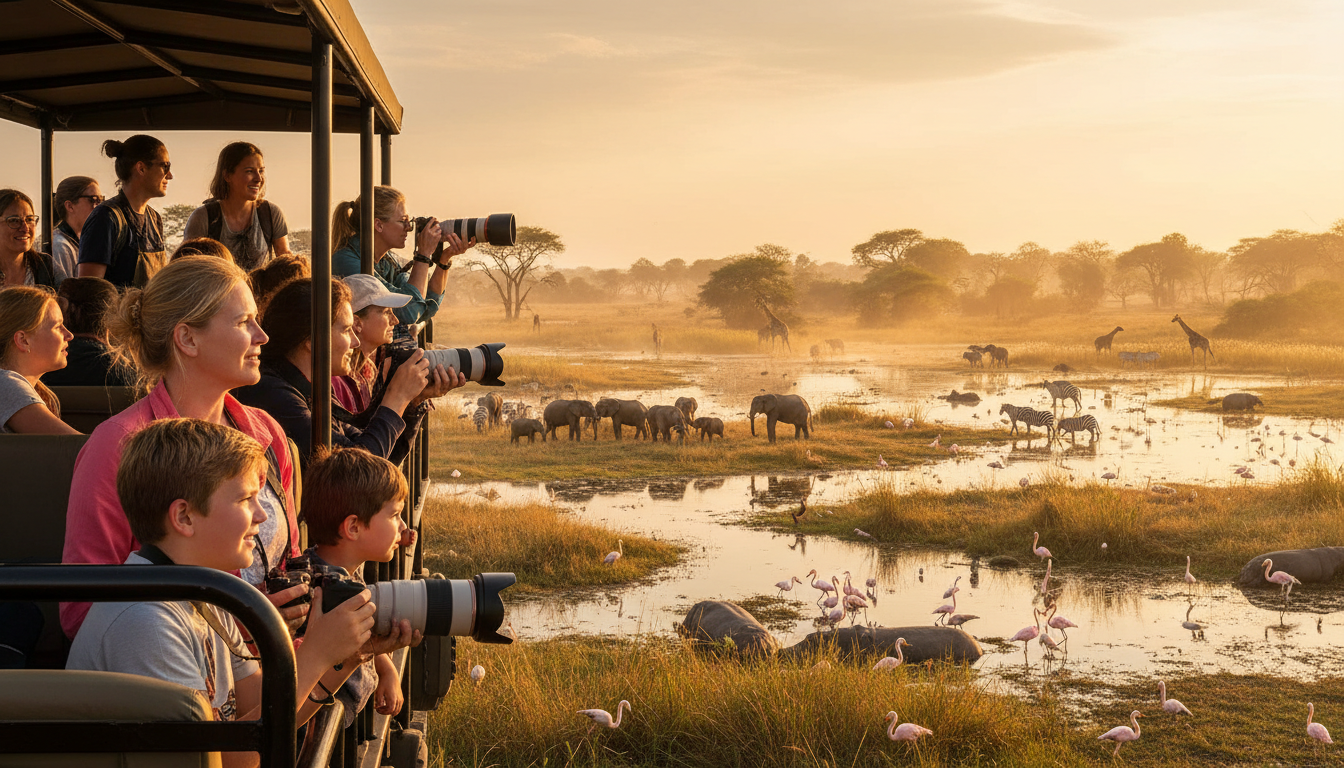
The first step in effective integration is to assess the current landscape. This includes evaluating the types of wildlife present, existing vegetation, and the forest's health. Conducting a thorough assessment helps identify areas where integration efforts are most needed.
Consider factors such as soil quality, water resources, and climate conditions. Understanding these elements is crucial for developing strategies that support both forestry and wildlife.
Setting Clear Objectives
Establishing clear objectives is vital for any integration project. Define what you want to achieve in terms of wildlife conservation and forestry productivity. Objectives might include increasing species diversity, enhancing habitat quality, or improving timber yield.

Developing a Management Plan
Once you have set your objectives, develop a comprehensive management plan. This plan should outline specific actions to achieve your goals. Consider the balance between conservation and resource extraction, ensuring that neither is compromised.
Engage with stakeholders, including local communities, conservationists, and industry experts, to gain insights and foster collaboration.
Implementing Conservation Practices
Implement practices that promote biodiversity and habitat conservation. These might include:
- Creating corridors to connect fragmented habitats.
- Protecting old-growth areas that serve as critical habitats.
- Implementing controlled burns to maintain ecological balance.
Monitoring and Evaluation
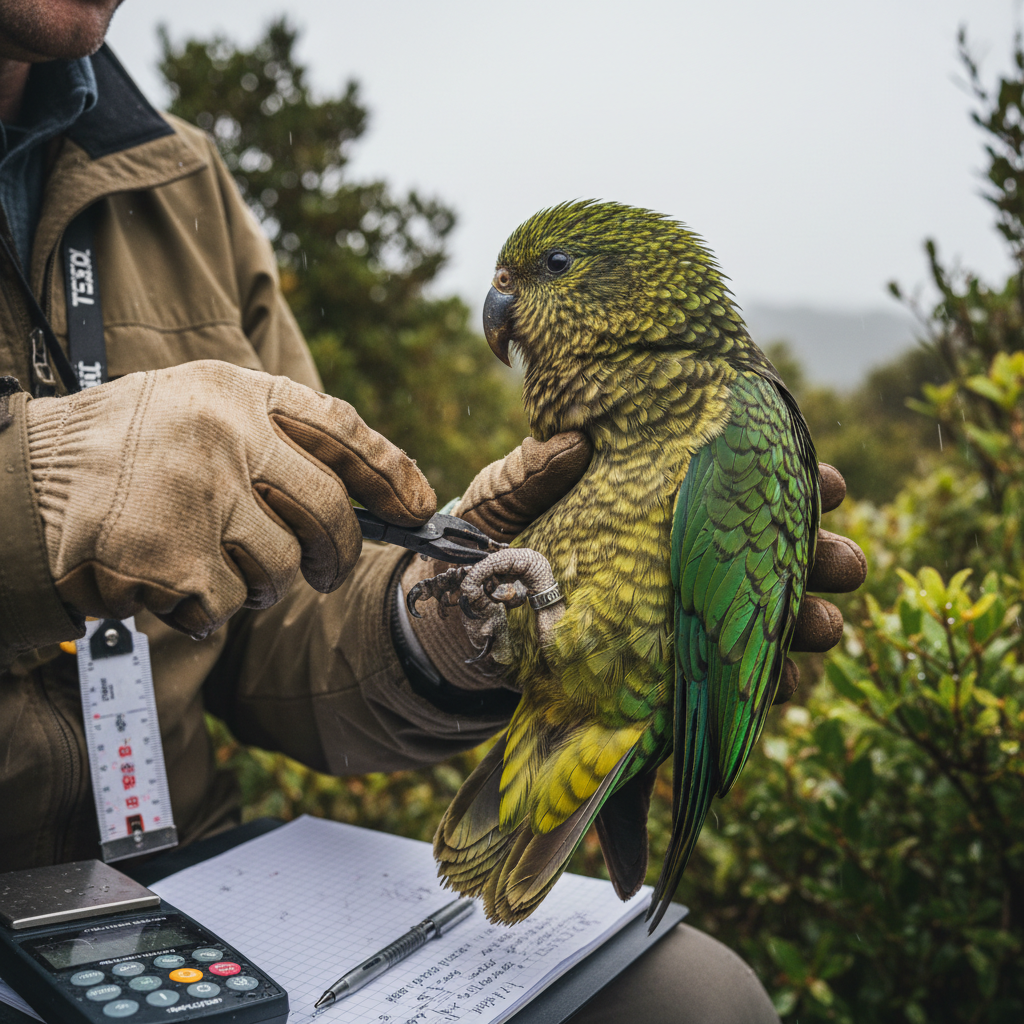
Regular monitoring and evaluation are essential to track progress and make necessary adjustments. Use indicators such as wildlife population changes, habitat quality, and forest health to assess the effectiveness of your integration efforts.
Adaptive management allows you to respond to unexpected challenges and refine strategies over time.
Fostering Community Involvement
Community involvement is key to the success of any wildlife and forestry integration project. Educate local communities about the benefits of integration and involve them in decision-making processes. Encourage local stewardship to ensure long-term sustainability.

By following these steps, you can create a harmonious balance between forestry and wildlife conservation, ensuring that both thrive for future generations. Effective integration not only benefits biodiversity but also enhances the sustainability and productivity of forest ecosystems.