Case Study: Successful Wildlife Management in Wildwood, Alberta
LL
Introduction to Wildlife Management in Wildwood
Wildlife management has become a crucial aspect of maintaining ecological balance and ensuring the sustainability of natural habitats. In Wildwood, Alberta, a proactive approach has led to significant successes in wildlife conservation. This case study explores the strategies and outcomes of Wildwood's wildlife management initiatives.

Understanding the Challenges
Wildwood faced several challenges, including habitat loss, human-wildlife conflicts, and declining biodiversity. These issues required a comprehensive plan that addressed both immediate and long-term conservation needs. Collaborative efforts between local authorities, environmental organizations, and the community were essential in tackling these challenges.
Strategic Approaches to Conservation
To effectively manage wildlife, the Wildwood team implemented a series of strategic approaches. These included:
- Establishing protected areas to safeguard critical habitats.
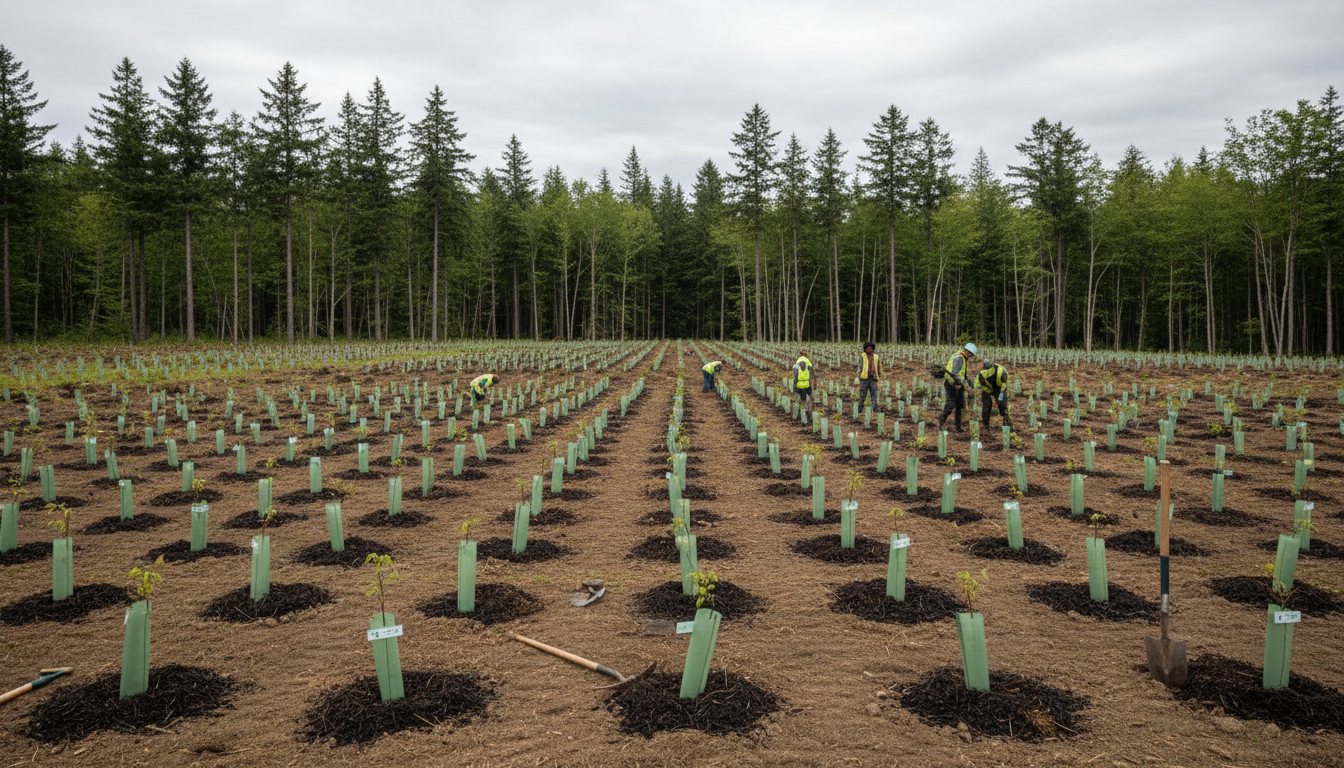
- Restoring degraded ecosystems through reforestation and wetland rehabilitation.
- Implementing monitoring programs to track wildlife populations and health.
Community Involvement and Education
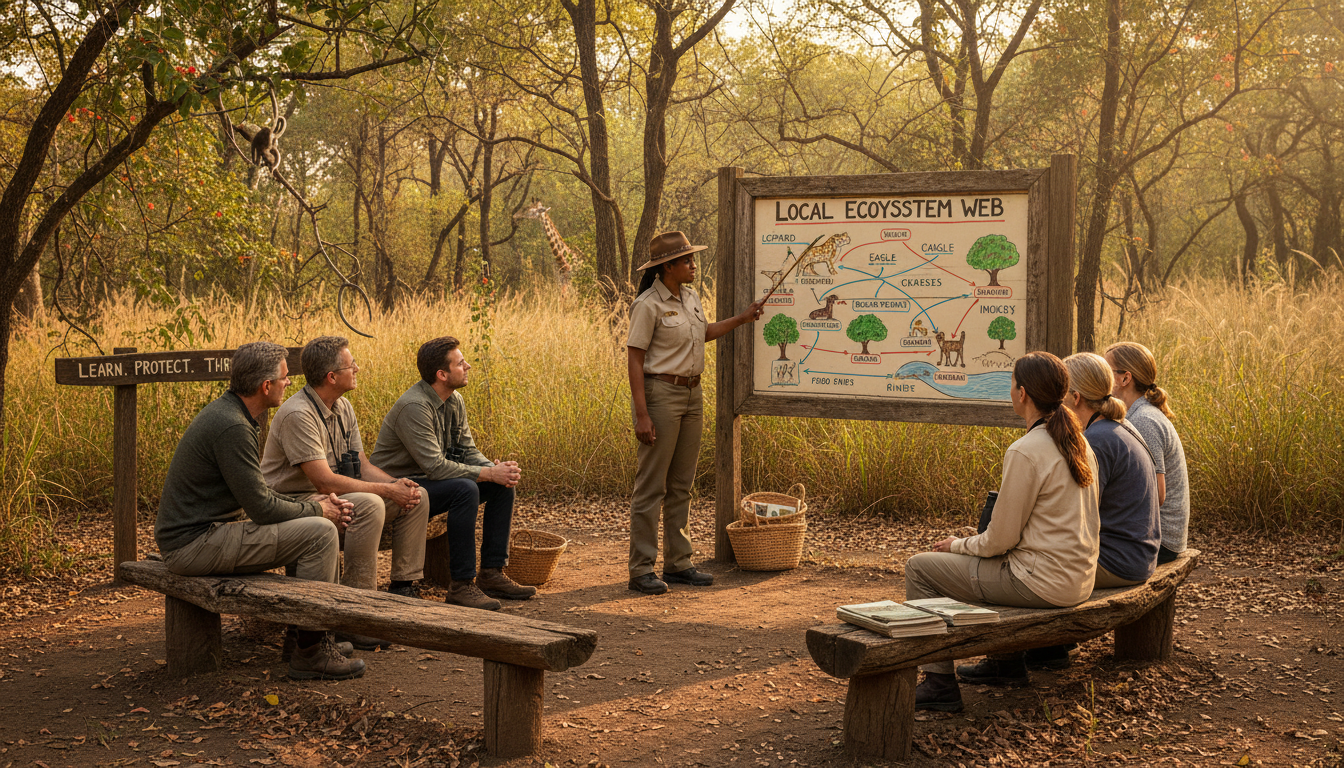
Community involvement played a pivotal role in the success of Wildwood's wildlife management. Public awareness campaigns and educational programs were launched to inform residents about the importance of conservation. Local schools integrated wildlife education into their curricula, fostering a new generation of environmentally conscious citizens.
Workshops and volunteer opportunities allowed community members to actively participate in conservation efforts, creating a strong sense of ownership and responsibility towards local wildlife.
Innovative Technologies and Practices
Wildwood's management team embraced innovative technologies to enhance their conservation efforts. The use of drones and remote sensing technology enabled more efficient monitoring of wildlife populations and habitat conditions. Additionally, adaptive management practices allowed for flexible strategies that could be adjusted based on real-time data.

Results and Impact
The results of Wildwood's wildlife management initiatives have been remarkable. There has been a noticeable increase in biodiversity, with several endangered species showing signs of recovery. The reduction in human-wildlife conflicts has also improved community relations and safety.
Furthermore, the economic benefits of successful wildlife management are evident in the growth of eco-tourism, attracting visitors keen to experience Wildwood's thriving natural environment.
Lessons Learned and Future Directions
Wildwood's experience provides valuable lessons for other regions facing similar challenges. Key takeaways include the importance of community engagement, the use of innovative technologies, and the need for adaptive management strategies. Looking forward, Wildwood aims to expand its conservation areas and continue leveraging technology to enhance its efforts.
Conclusion
Wildwood, Alberta, stands as a testament to the power of strategic wildlife management. Through collaboration, innovation, and dedication, the region has achieved significant conservation successes, ensuring a balanced coexistence between humans and wildlife. As we look to the future, Wildwood serves as an inspiring model for sustainable wildlife management worldwide.