Comprehensive Guide to Wildlife Habitat Management in Alberta
LL
Understanding Wildlife Habitat Management
Wildlife habitat management is a crucial aspect of conservation efforts, especially in regions teeming with biodiversity like Alberta. It involves the strategic planning and implementation of practices that ensure the sustainability of wildlife populations and their habitats. These practices not only protect endangered species but also enhance the ecological balance.
In Alberta, diverse ecosystems ranging from forests to grasslands support a wide array of wildlife. Effective management requires a comprehensive understanding of these ecosystems and the species they harbor. This guide aims to provide insights into the best practices for wildlife habitat management in Alberta.
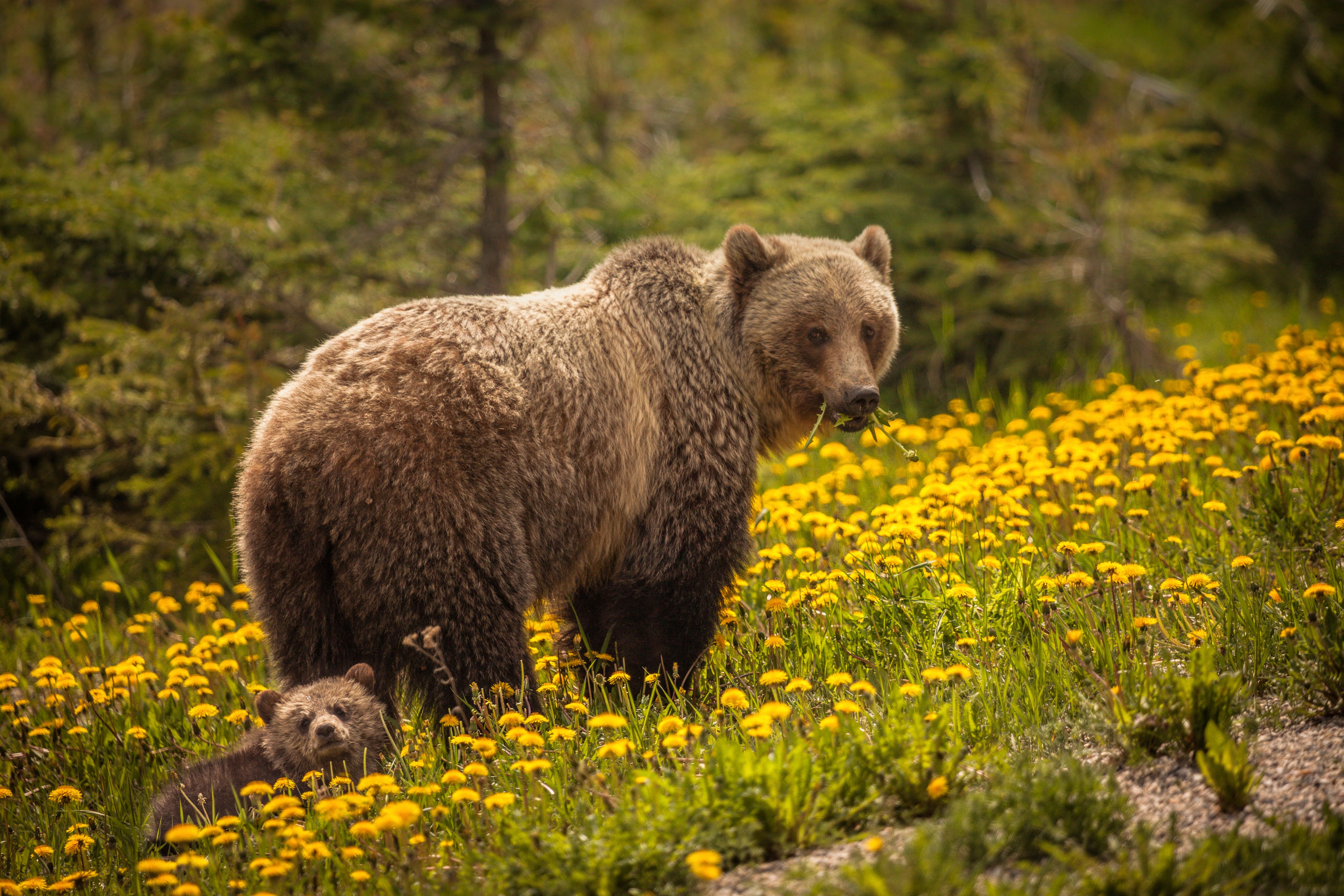
Key Components of Habitat Management
Assessing Habitat Needs
The first step in wildlife habitat management is assessing the specific needs of different species. Each species has unique requirements for food, water, shelter, and space. Understanding these needs helps in creating environments that support their life cycles and promote healthy populations.
Developing Management Plans
Once the habitat needs are identified, the next step is to develop a management plan. This plan should outline strategies for habitat restoration, protection, and enhancement. It often includes actions like planting native vegetation, controlling invasive species, and managing land use practices that impact wildlife habitats.

Implementing Habitat Management Strategies
Restoration and Enhancement
Restoration activities focus on returning degraded habitats to their natural state. This can involve reforestation, wetland conservation, and the establishment of wildlife corridors. Enhancement strategies aim to improve the existing conditions of habitats, making them more suitable for wildlife.
Monitoring and Evaluation
Monitoring is a critical component of habitat management. Regular evaluation ensures that the implemented strategies are effective and allows for adjustments as needed. Techniques like population surveys, habitat assessments, and ecological studies are commonly used.
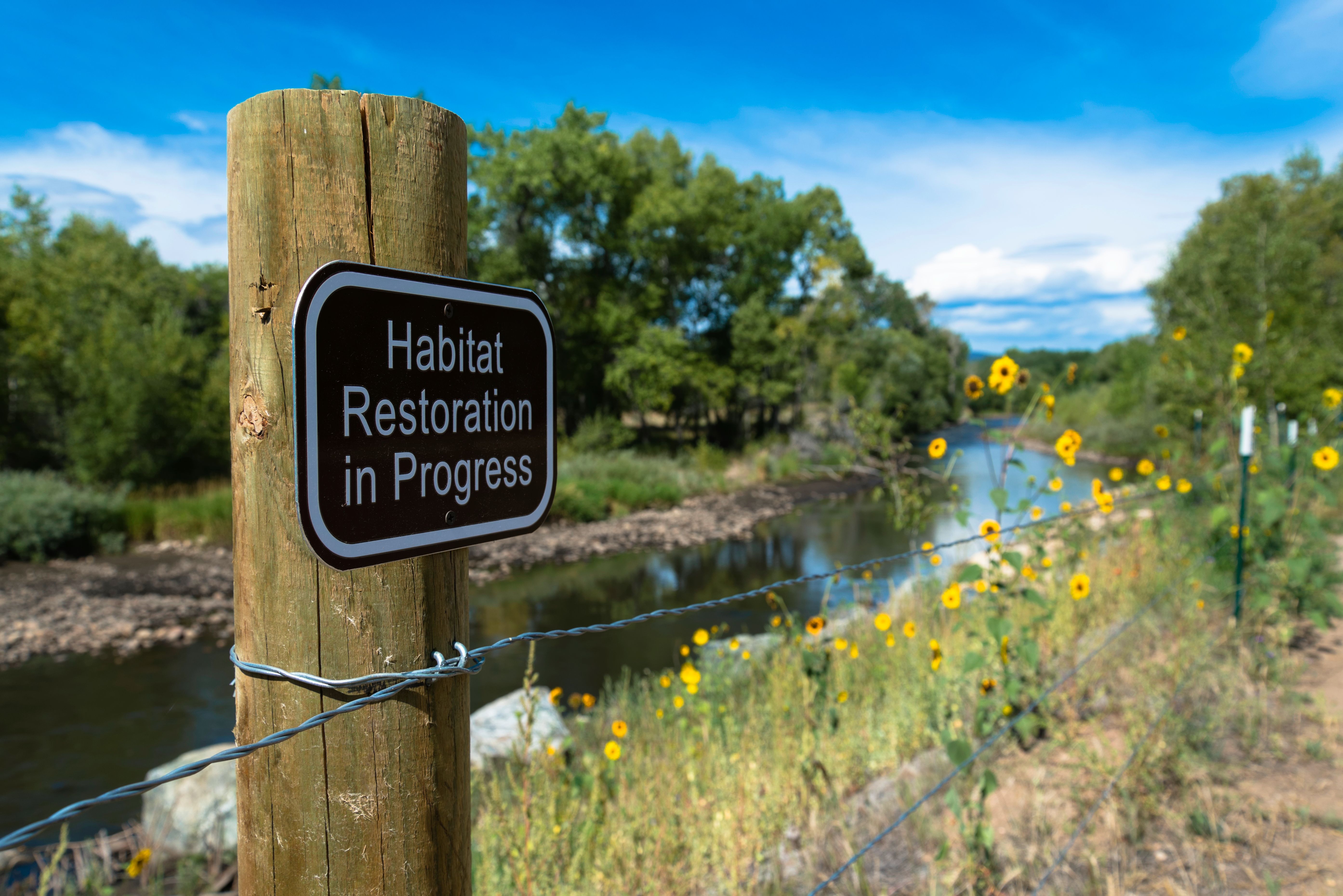
Challenges and Opportunities
Addressing Human Impact
Human activities pose significant challenges to wildlife habitats. Urban development, agriculture, and resource extraction can lead to habitat fragmentation and loss. However, there are opportunities to integrate wildlife-friendly practices in land development and resource management to mitigate these impacts.
Community Involvement
Engaging local communities is essential for successful wildlife habitat management. Education and awareness programs can foster a sense of stewardship and encourage community participation in conservation efforts. Collaborative projects with local stakeholders can lead to more sustainable outcomes.

Future Directions
As environmental challenges continue to evolve, so too must the strategies for wildlife habitat management. Emphasizing adaptive management, which allows for flexibility and responsiveness to changing conditions, will be key. Innovations in technology, such as remote sensing and geographic information systems (GIS), are also opening new avenues for effective management.
Ultimately, a collaborative approach that includes government agencies, conservation organizations, and local communities will be necessary to ensure the long-term sustainability of Alberta’s wildlife habitats. By working together, we can create a future where both wildlife and people thrive.