Comprehensive Guide to Wildlife Habitat Management in Alberta
LL
Understanding Wildlife Habitat Management
Wildlife habitat management in Alberta is a crucial component of conservation efforts aimed at preserving diverse ecosystems. It involves a range of practices designed to support and enhance the natural environments that sustain various wildlife species. By understanding the principles and practices involved, individuals and organizations can contribute significantly to ecological balance and biodiversity.
The Importance of Habitat Management
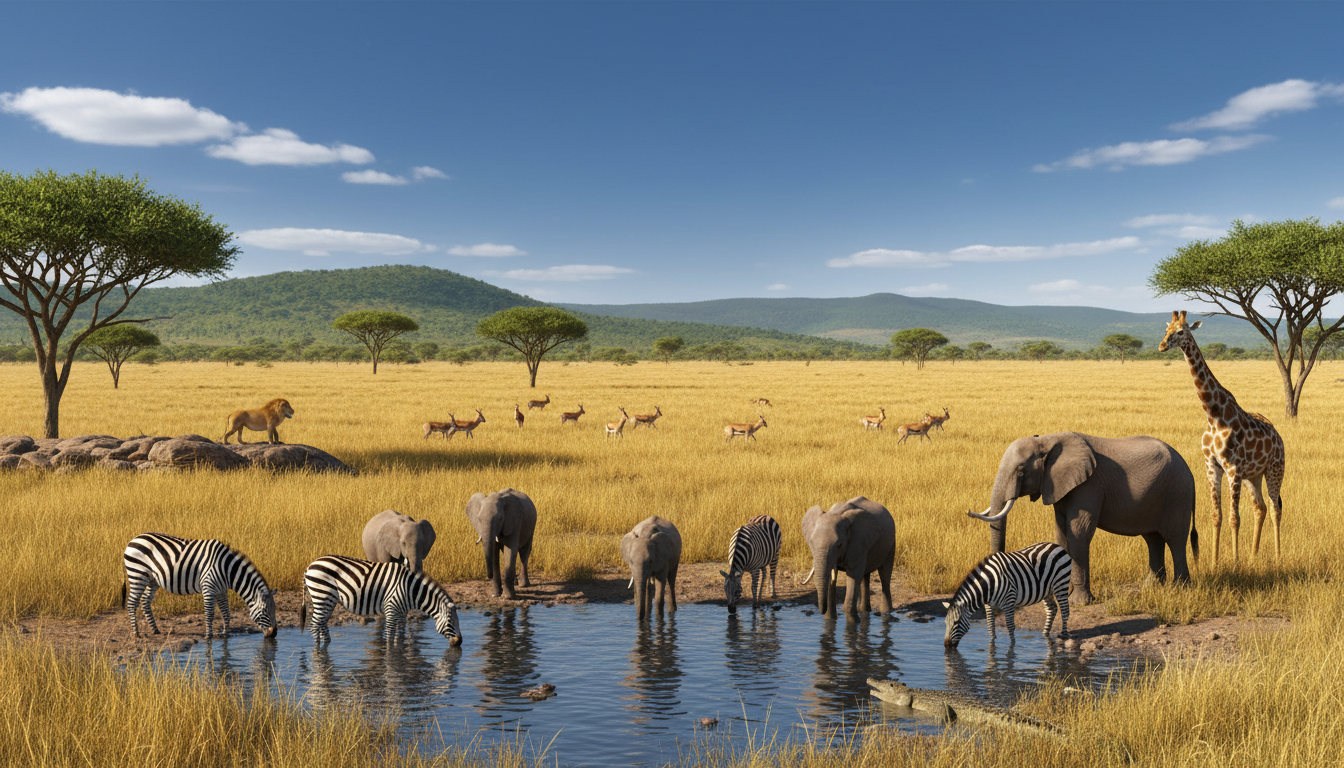
Effective habitat management ensures that wildlife populations thrive by maintaining the natural resources they depend on. This includes food, water, shelter, and breeding grounds. In Alberta, diverse landscapes such as forests, grasslands, and wetlands provide unique habitats that require specific management strategies to support the species that inhabit them.
Key Practices in Wildlife Habitat Management
Several key practices are essential for successful wildlife habitat management. These include:
- Habitat Restoration: Rehabilitating damaged ecosystems to restore their natural functions.
- Invasive Species Control: Managing non-native species that threaten native biodiversity.
- Water Resource Management: Ensuring clean and sufficient water supplies for wildlife.
Community Involvement and Education
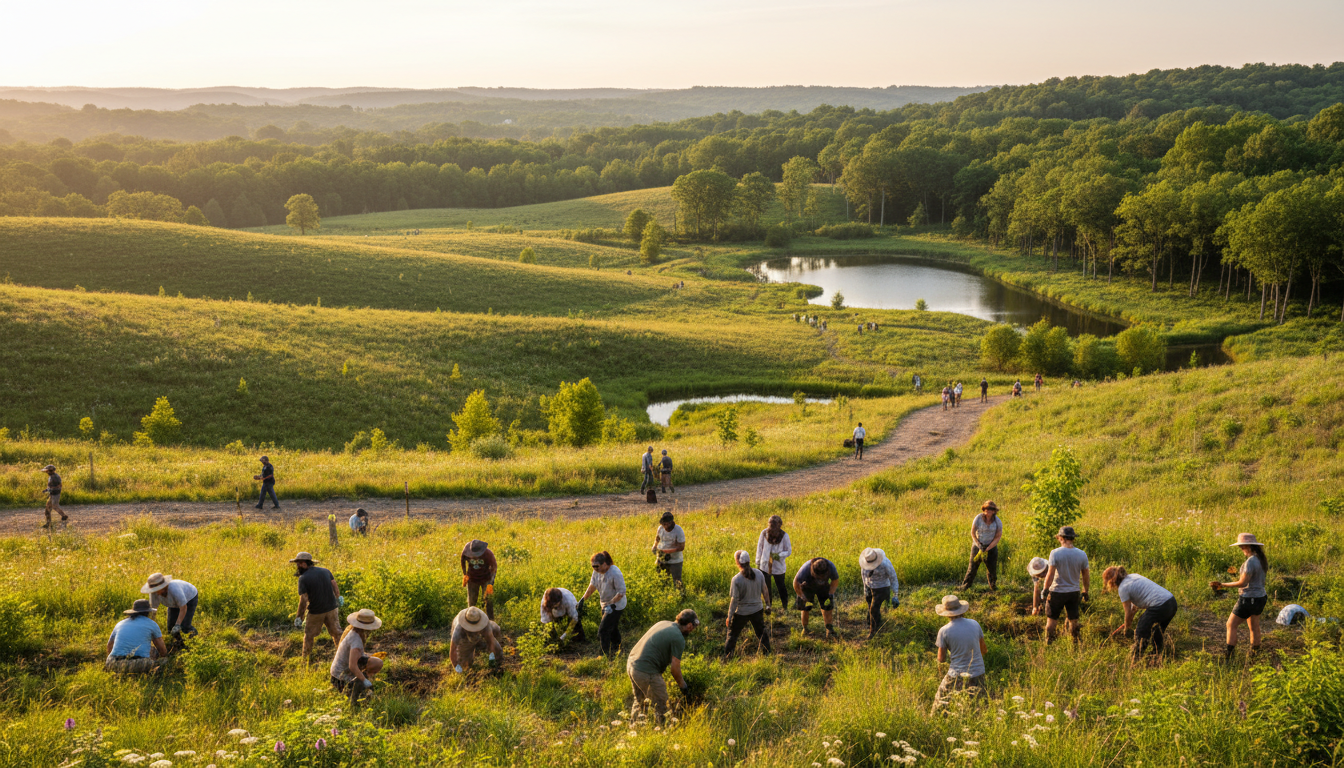
Community involvement plays a critical role in habitat management. By educating the public about the importance of biodiversity and conservation, communities can foster a culture of stewardship. Educational programs and volunteer opportunities encourage local participation in habitat preservation efforts.
Policy and Legislation
Government policies and legislation are vital to ensuring sustainable habitat management practices. Alberta's wildlife protection laws and conservation plans provide a framework for managing natural resources responsibly. Collaboration between government agencies, non-profits, and private landowners is essential for implementing these strategies effectively.

The Role of Technology in Habitat Management
Technological advancements have revolutionized wildlife habitat management. Tools such as GIS mapping, remote sensing, and wildlife monitoring systems enable more precise and efficient management of natural resources. These technologies help track changes in ecosystems and assess the effectiveness of conservation efforts.
Challenges and Future Directions
Despite progress, wildlife habitat management faces challenges such as climate change, urban expansion, and resource extraction. Addressing these issues requires adaptive management strategies that can respond to changing environmental conditions. Future efforts will focus on integrating scientific research with traditional knowledge to create resilient ecosystems.
In conclusion, wildlife habitat management in Alberta is a dynamic field that requires a collaborative approach involving science, community, and policy. By prioritizing sustainable practices, we can ensure that Alberta's rich biodiversity continues to thrive for generations to come.