Current Trends in Canadian Wildlife Management: An Expert's Perspective
LL
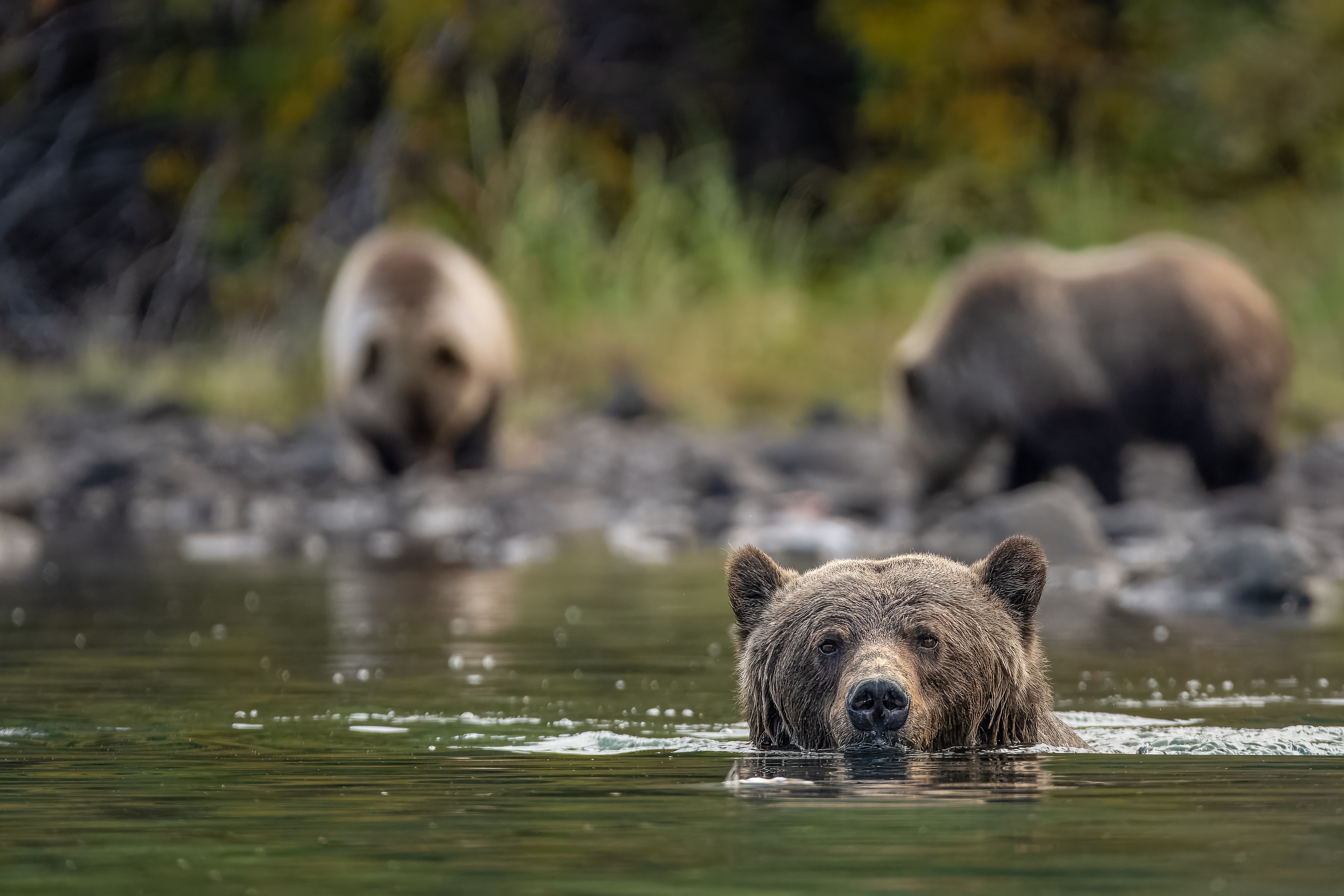
Canada's diverse ecosystems are home to a rich tapestry of wildlife, from the iconic grizzly bears of the Rockies to the moose roaming the eastern provinces. As these natural landscapes face increasing pressures, wildlife management has become a crucial field in ensuring the sustainability and health of these populations. Let's explore some current trends guided by expert perspectives.
Adaptive Management Strategies
Adaptive management has become a cornerstone in Canadian wildlife management. This approach involves monitoring wildlife and their habitats, evaluating outcomes, and adjusting strategies accordingly. By embracing flexibility, wildlife managers can respond more effectively to changes in the ecosystem, such as those brought on by climate change or human activity.
Experts emphasize the importance of data-driven decision-making. With technological advancements, data collection and analysis have become more sophisticated, allowing for better-informed management practices. This shift is crucial for creating resilient wildlife populations.
Community Involvement and Indigenous Knowledge
Another significant trend is the integration of community involvement and Indigenous knowledge in wildlife management. Indigenous communities have been stewards of the land for generations, and their insights are invaluable. Collaborative efforts between government bodies and Indigenous groups are paving the way for more holistic management practices.

By recognizing and incorporating Indigenous perspectives, wildlife management can benefit from traditional ecological knowledge that complements scientific research. This collaborative approach fosters mutual respect and leads to more effective conservation outcomes.
Focus on Biodiversity and Ecosystem Health
Protecting biodiversity and maintaining ecosystem health are priorities in Canadian wildlife management. Efforts are being made to preserve habitat connectivity, ensuring that wildlife can move freely and access the resources they need to thrive. This focus helps mitigate the impacts of habitat fragmentation, which is a significant threat to many species.
Conservationists are also advocating for the protection of keystone species, which play a crucial role in maintaining the structure of their ecosystems. By focusing on these species, broader environmental health can be supported.

Challenges and Future Directions
Despite these positive trends, challenges remain. Climate change poses a significant threat, altering habitats and affecting species distribution. Additionally, balancing economic development with wildlife conservation requires careful planning and cooperation among stakeholders.
Looking forward, experts suggest that fostering international cooperation and enhancing public awareness will be essential. Educating the public about the importance of wildlife management and conservation can drive support and inspire action at both local and national levels.
In conclusion, the field of Canadian wildlife management is evolving with a focus on adaptability, community collaboration, and a commitment to preserving biodiversity. By leveraging expert insights and innovative strategies, Canada can continue to protect its precious wildlife for future generations.