DIY Tips for Managing Wildlife in Your Backyard: Expert Advice from Wildwood
LL
Understanding Your Backyard Ecosystem
Managing wildlife in your backyard begins with understanding the unique ecosystem that surrounds your home. Each backyard is a small part of a larger environmental puzzle, and recognizing the role of local wildlife helps maintain balance. Diverse species, from birds to insects, contribute to a healthy garden by aiding in pollination and pest control.
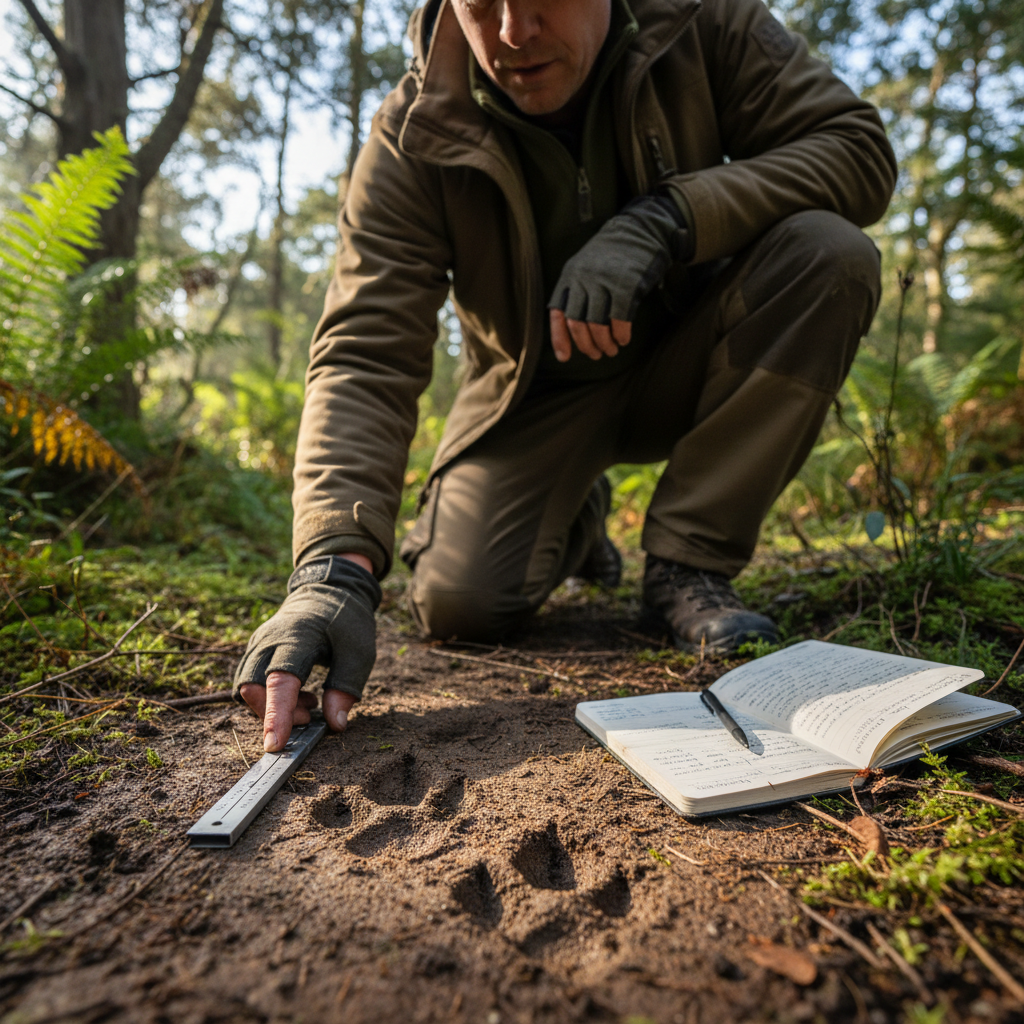
Before taking any action, observe the existing wildlife. Identify the types of animals that frequent your space and the roles they play in your local ecosystem. By doing so, you can make informed decisions about encouraging or deterring specific species.

Creating a Welcoming Habitat
To attract beneficial wildlife, consider creating a welcoming habitat. Plant native species that provide food and shelter, as this encourages local animals to visit. Flowers, shrubs, and trees are excellent choices, offering nectar, seeds, and nesting opportunities.
Additionally, consider installing a water feature. A small pond or birdbath can attract birds, frogs, and beneficial insects. Ensure the water is fresh and clean to prevent unwanted pests like mosquitoes.
Managing Unwanted Visitors
While some wildlife is beneficial, others may become nuisances. Managing these unwanted visitors requires careful planning. Begin by identifying the species causing issues, such as raccoons or squirrels, and understand their behavior.
To deter these animals, remove attractants such as accessible food sources. Secure trash bins, keep pet food indoors, and clean up fallen fruit or birdseed. Physical barriers like fences can also help protect your garden from larger animals.

Using Natural Deterrents
Natural deterrents can also play a role in managing wildlife. For example, certain plants like marigolds and lavender can repel insects and deer. Homemade sprays using garlic or pepper can deter pests without harming the environment.
Motion-activated lights or sprinklers can be effective in startling and deterring nocturnal animals. These solutions provide a humane way to manage wildlife without causing harm.
Working with Professionals
Sometimes, managing wildlife requires professional assistance. If you're dealing with persistent issues or protected species, consider consulting wildlife experts. Companies like Wildwood offer advice and solutions tailored to your specific situation.
Professionals can provide humane removal services, habitat assessments, and advice on long-term management strategies. Their expertise ensures that wildlife management is effective and ethical.
Long-term Maintenance
Once you've implemented strategies to manage wildlife, ongoing maintenance is essential. Regularly inspect your backyard for changes and adjust your approach as needed. Seasonal shifts can bring new challenges, so staying proactive ensures your space remains balanced.
Educate yourself continuously about local wildlife and conservation efforts. Understanding the broader ecological context can enhance your efforts and contribute to a healthier environment overall.