Effective Wildlife Habitat Management: Tips from Wildwood Experts
LL
Managing wildlife habitats effectively is crucial for maintaining biodiversity and supporting ecosystems. At Wildwood, we believe that successful habitat management requires a balance of conservation practices and human involvement. Here are some expert tips to help you enhance and preserve wildlife habitats.

Understanding Local Ecosystems
Before implementing any management strategies, it's essential to understand the local ecosystems. Each habitat has unique characteristics that influence the species that thrive there. Conduct thorough research or consult with local ecologists to gain insights into the flora and fauna of your area.
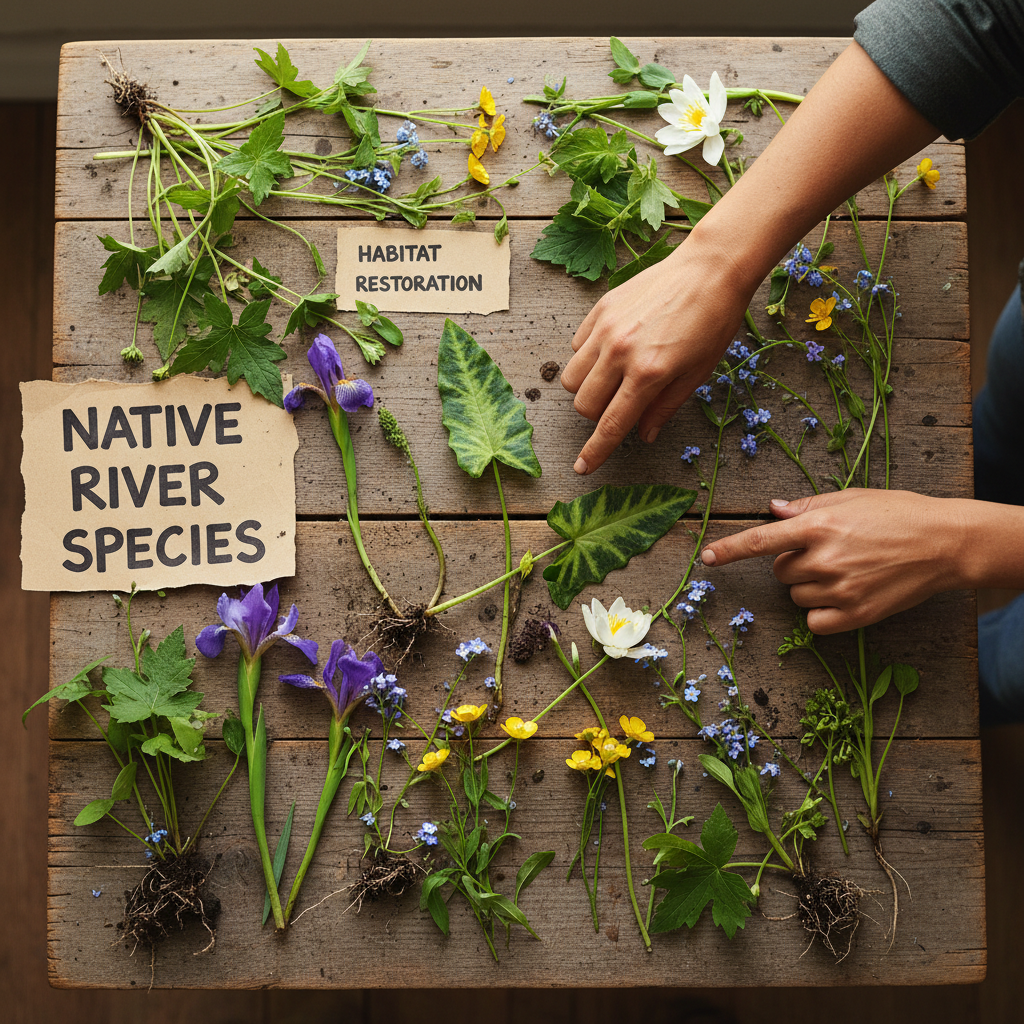
Identify Native Species
One of the primary steps in habitat management is identifying native species. These are the plants and animals that naturally occur in your region and play vital roles in the ecosystem. Focus on preserving these species as they are crucial to maintaining ecological balance.
Implementing Sustainable Practices
Sustainability is key to effective wildlife habitat management. Implement practices that minimize human impact and support natural processes. Here are a few strategies:
- Reduce Chemical Usage: Avoid using pesticides and fertilizers that can harm wildlife and contaminate water sources.
- Promote Natural Growth: Allow native plants to grow wild, as they provide food and shelter for numerous species.
Water Management
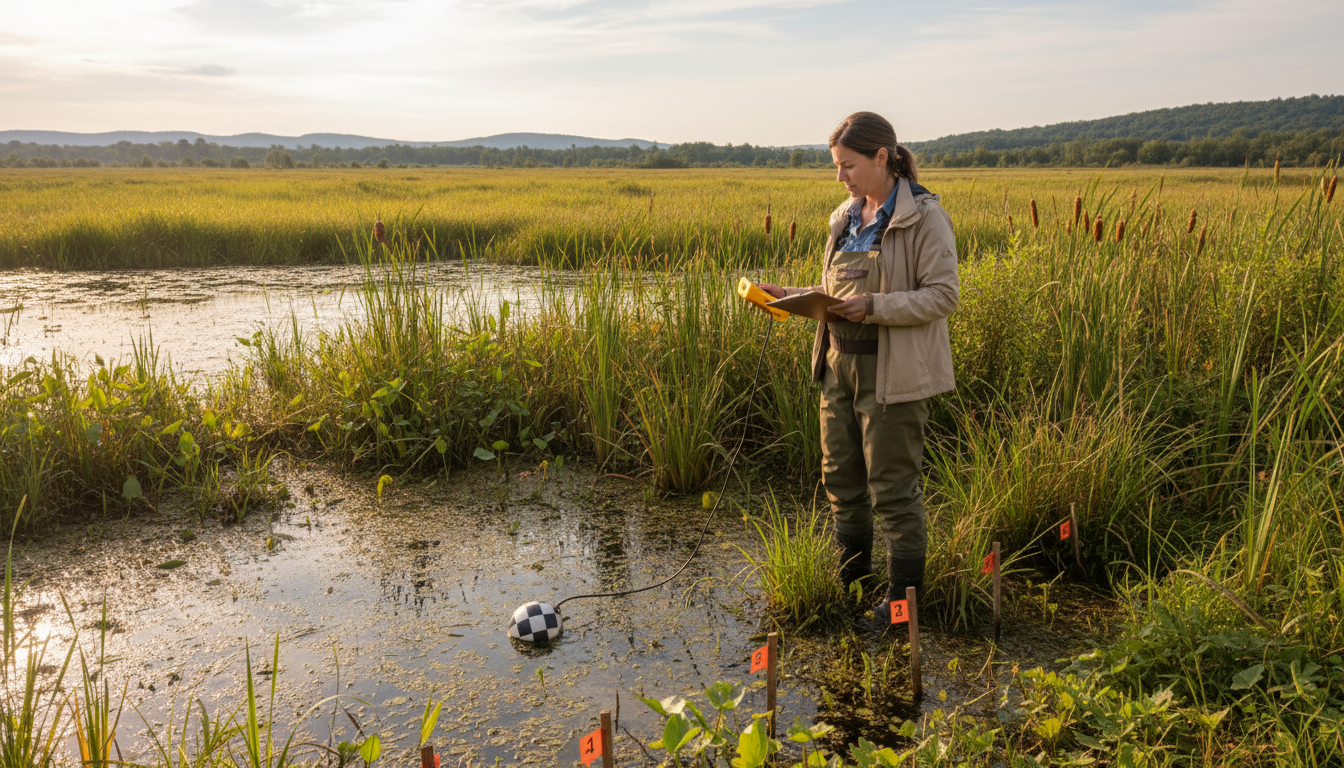
Water resources are vital for wildlife. Ensure that ponds, streams, and wetlands are kept clean and accessible. Constructing buffer zones with native vegetation around water bodies can help filter pollutants and provide habitat for aquatic species.
Creating Wildlife Corridors
Wildlife corridors are natural pathways that connect different habitats, allowing animals to move freely and safely. These corridors are essential for species migration, breeding, and access to resources.
Plan and Design Corridors
When creating wildlife corridors, consider the movement patterns of local species. Design pathways that are safe and free from human interference. Planting native trees and shrubs along these corridors can provide additional cover and food sources.

Monitoring and Evaluation
Regular monitoring is crucial to assess the effectiveness of your habitat management strategies. Keep track of species diversity, population sizes, and habitat conditions. This data will help you make informed decisions and adjust practices as needed.
Community Involvement
Engage with local communities to promote awareness and participation in habitat conservation. Educational programs and volunteer opportunities can empower individuals to contribute positively to wildlife management efforts.
By implementing these expert tips from Wildwood, you can create and maintain thriving wildlife habitats that support biodiversity and ecological health. Together, we can ensure that future generations enjoy the beauty and benefits of nature.