Expert Insights: The Future of Wildlife Management in Wildwood
LL
Wildlife management is a dynamic and evolving field, especially in regions like Wildwood, where the balance between human activity and natural ecosystems is delicate. As we look to the future, understanding the trends and innovations in wildlife management becomes crucial for preserving biodiversity and ensuring sustainable coexistence.
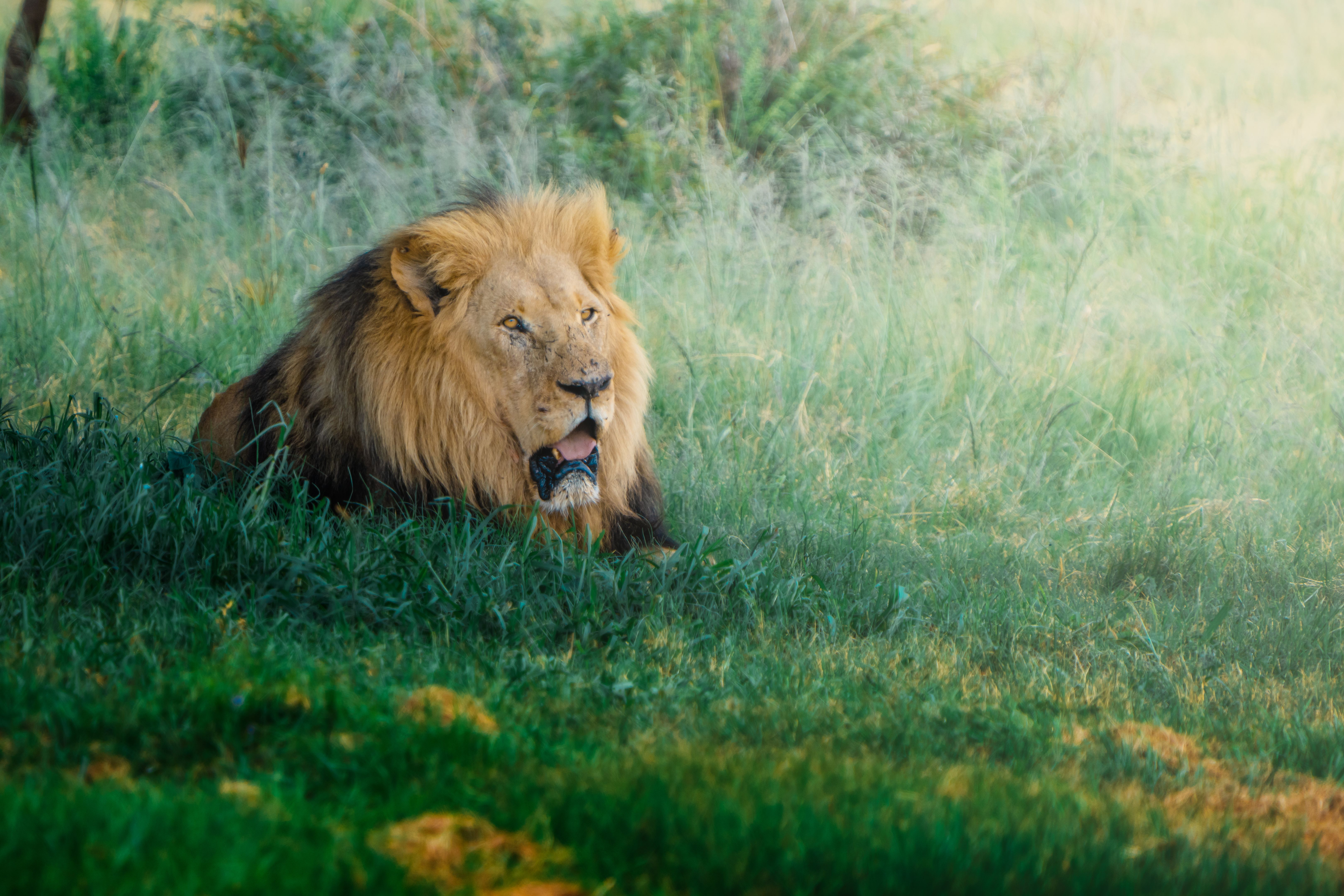
Technological Innovations in Wildlife Monitoring
One of the most significant advancements in wildlife management is the integration of technology. Drones, GPS tracking, and camera traps are now regularly used to monitor animal populations and their movements. These tools provide invaluable data, aiding in the development of strategies to protect endangered species and manage habitats more effectively.
For example, drones are employed to survey large areas with minimal human disturbance. This technology allows for a bird's-eye view of habitats, offering insights that were previously difficult to obtain. Additionally, GPS collars on animals help track migration patterns, informing conservation efforts.
Data-Driven Decision Making
With the influx of data from technological tools, wildlife management is becoming increasingly data-driven. This shift allows for more precise and efficient decision-making processes. By analyzing patterns and trends, experts can predict potential threats and develop proactive measures to mitigate them.

Moreover, data analytics can identify correlations between human activities and wildlife behavior, providing a clearer picture of how to harmonize these interactions.
Community Involvement and Education
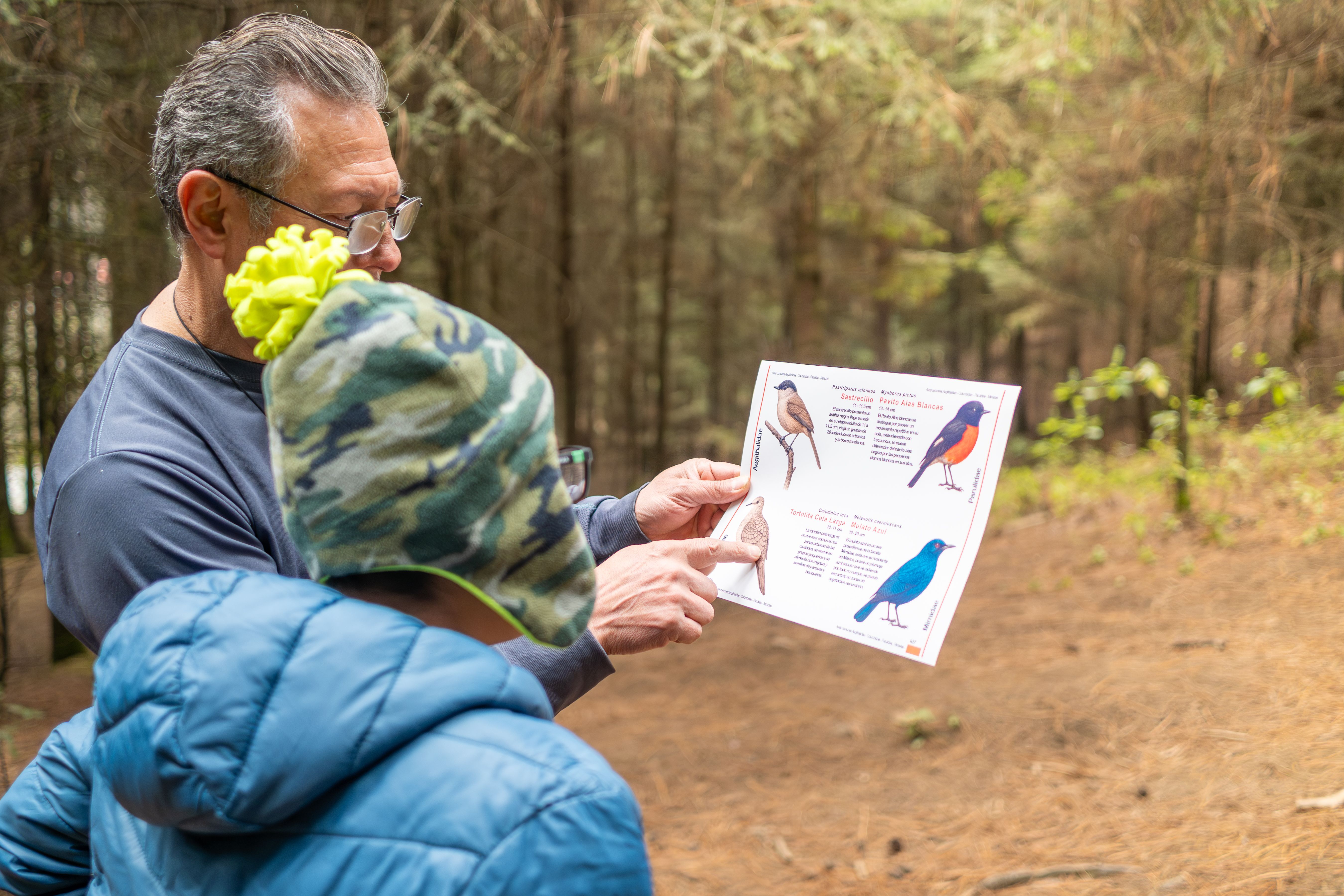
Effective wildlife management in Wildwood also relies heavily on community involvement. Educating the public about local wildlife and conservation efforts is essential for fostering a culture of respect and responsibility towards nature. Community programs and workshops can empower residents to participate actively in conservation efforts.
As part of this initiative, schools and local organizations often host events to raise awareness about the importance of wildlife preservation. These activities not only educate but also inspire future generations to become stewards of the environment.
Policy and Regulation
Another critical aspect of future wildlife management is the implementation of sound policies and regulations. Governments and organizations in Wildwood are working together to create laws that protect wildlife while considering the needs of local communities. Striking this balance is vital for sustainable development.
Regulations may include restrictions on land use, pollution control measures, and the establishment of protected areas. Such policies ensure that wildlife management practices are legally supported and effectively enforced.
The Role of Sustainable Practices
Sustainability is at the heart of modern wildlife management strategies. Practices such as sustainable agriculture, eco-friendly tourism, and green infrastructure development play a pivotal role in minimizing human impact on wildlife habitats.
By adopting sustainable practices, Wildwood can continue to thrive economically without compromising its rich biodiversity.

The Path Forward
As we look ahead, the future of wildlife management in Wildwood appears promising. With continued technological advancements, community engagement, and robust policy frameworks, the region is well-equipped to address the challenges of preserving its natural heritage.
By embracing these strategies, Wildwood can serve as a model for other regions looking to balance human development with wildlife conservation. The journey towards a sustainable future is ongoing, but with commitment and collaboration, it is within reach.