How Drones are Revolutionizing Wildlife Research in Alberta
LL
The Rise of Drones in Wildlife Research
Drones are rapidly becoming an indispensable tool in wildlife research, particularly in places like Alberta, where the diverse landscape presents unique challenges. These unmanned aerial vehicles (UAVs) offer a bird's-eye view that was once difficult to obtain, allowing researchers to gain insights into animal behavior, population dynamics, and habitat use more efficiently and accurately than ever before.
Advantages of Using Drones
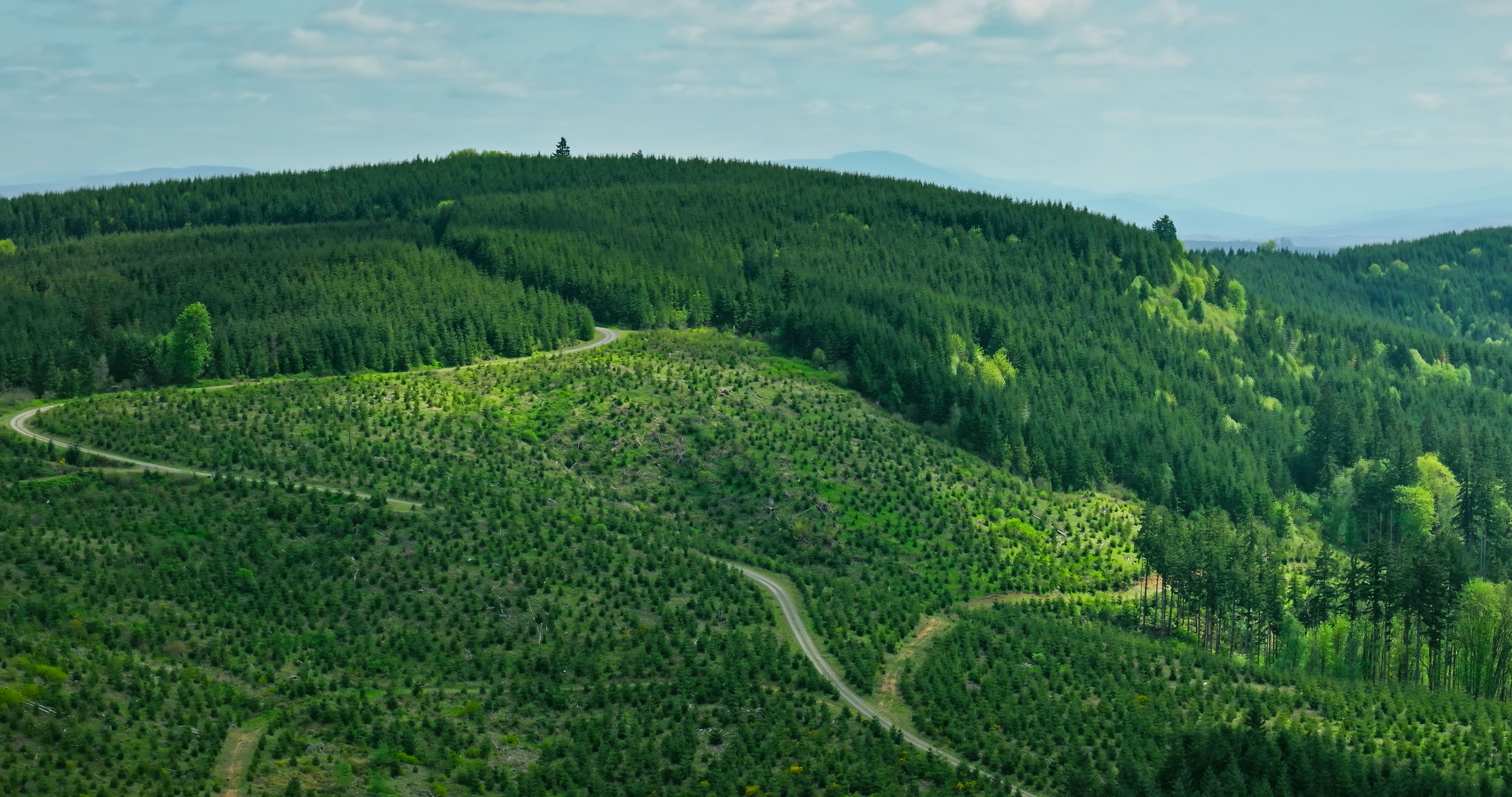
One of the most significant advantages of drones is their ability to access remote and hard-to-reach areas. Alberta's vast wilderness, including forests, mountains, and wetlands, is home to a wide array of wildlife species. Drones can easily navigate these terrains without disturbing the natural environment, providing a non-invasive way to collect crucial data.
Furthermore, drones are equipped with advanced imaging technologies such as high-resolution cameras and thermal sensors. These tools help researchers monitor animal populations, track movements, and even detect poaching activities. The real-time data collection and analysis capabilities of drones make them a powerful asset in conservation efforts.
Improving Data Accuracy
Traditional wildlife research methods often rely on manual observations, which can be time-consuming and prone to errors. Drones, on the other hand, offer a more accurate and efficient alternative. By capturing aerial images and videos, researchers can analyze data with precision and make informed decisions based on comprehensive insights.

Additionally, drones can cover large areas quickly, enabling the collection of extensive datasets in a relatively short period. This efficiency is particularly beneficial in large and ecologically diverse regions like Alberta, where timely information is crucial for effective wildlife management.
Case Studies in Alberta
Several successful case studies in Alberta highlight the impact of drones on wildlife research. For instance, researchers have used drones to study the migration patterns of caribou, monitor bear populations, and assess the health of aquatic ecosystems. These studies have provided valuable information that aids in the development of conservation strategies and policy-making.
Moreover, drones have been instrumental in studying the effects of climate change on wildlife habitats. By analyzing aerial imagery, scientists can observe changes in vegetation and landscape, helping them predict future impacts on various species.
Challenges and Future Prospects
Despite their numerous benefits, the use of drones in wildlife research also presents certain challenges. Issues such as regulatory restrictions, battery life limitations, and the need for specialized training can hinder their widespread adoption. However, ongoing technological advancements and collaborations between researchers, government agencies, and technology providers are addressing these obstacles.
Looking ahead, the future of drones in wildlife research looks promising. As technology continues to evolve, drones are expected to become more sophisticated, with enhanced capabilities and greater accessibility. This evolution will undoubtedly lead to even more groundbreaking discoveries in wildlife research, benefiting both the scientific community and the preservation of Alberta's rich biodiversity.