How Karelian Bear Dogs Revolutionize Wildlife Management
LL
Introduction to Karelian Bear Dogs
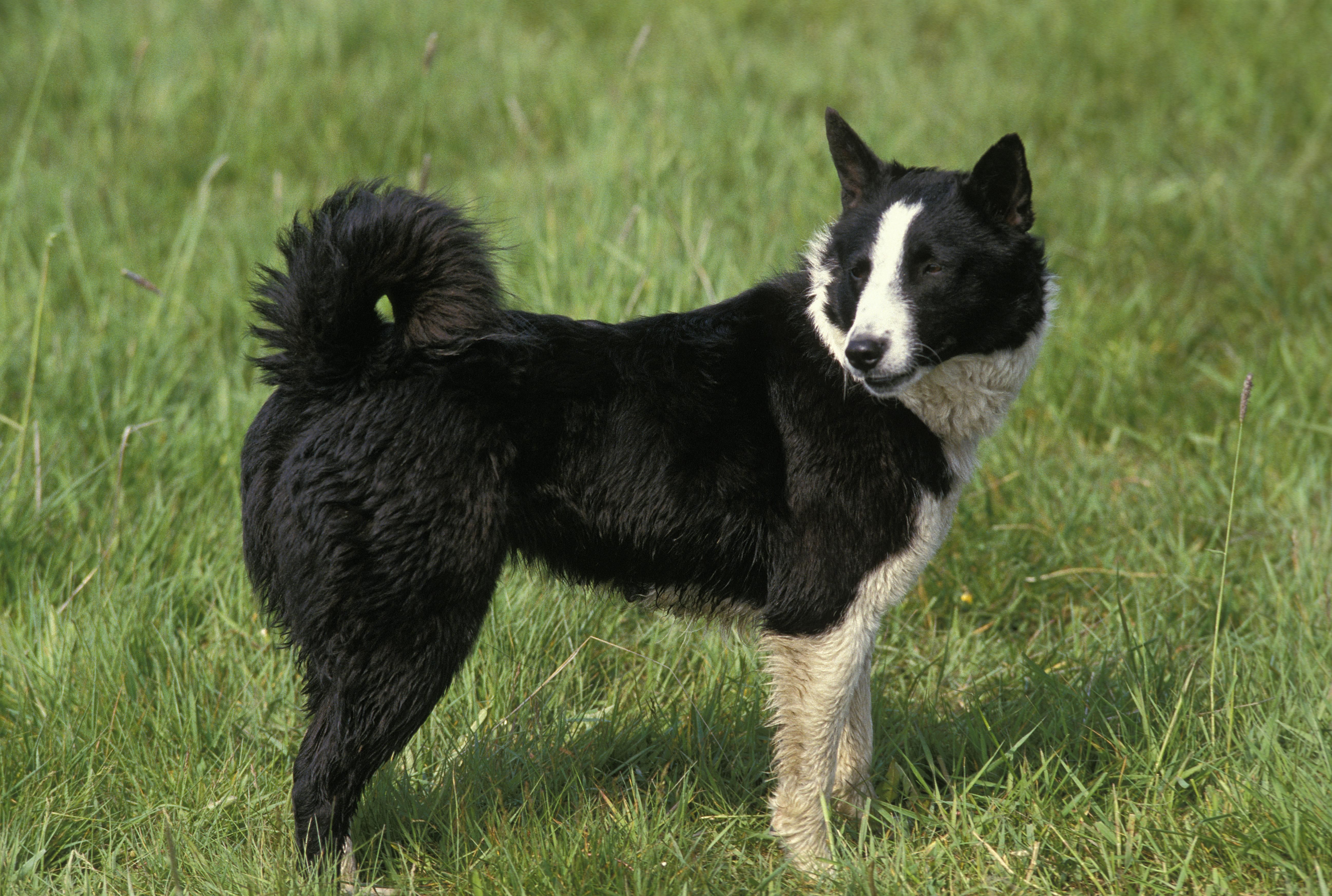
Karelian Bear Dogs are a rare and remarkable breed renowned for their skills in wildlife management. Originally from Finland and Russia, these dogs have a natural instinct for tracking and managing large game. Their unique abilities have made them invaluable assets in conservation and wildlife management programs worldwide.
Unlike other breeds, Karelian Bear Dogs are bred specifically for their courage and agility. They are fearless, making them perfect partners for handling potentially dangerous wildlife situations. Their acute senses and strong hunting drive enable them to detect and deter animals like bears and mountain lions, preventing conflicts with humans.
The Role of Karelian Bear Dogs in Wildlife Management
Wildlife management often involves mitigating human-wildlife conflicts. Karelian Bear Dogs play a critical role in this area by helping to manage animal populations and reduce encounters with humans. They are trained to track animals, allowing wildlife managers to monitor movements and behaviors.
Additionally, these dogs are used in aversive conditioning programs. This involves training animals to associate humans with negative experiences, encouraging them to avoid populated areas. Karelian Bear Dogs are instrumental in these programs due to their ability to engage with wildlife without causing harm.
Advantages of Using Karelian Bear Dogs
The use of Karelian Bear Dogs in wildlife management offers several advantages. Here are a few key benefits:
- Non-lethal deterrence: These dogs provide a humane way to manage wildlife, reducing the need for lethal control methods.
- Cost-effectiveness: Utilizing dogs can be more economical than other management strategies, such as hiring additional personnel.
- Flexibility and mobility: Karelian Bear Dogs can operate in various terrains and weather conditions, making them versatile tools for wildlife managers.
Training Karelian Bear Dogs
Training Karelian Bear Dogs for wildlife management is an intricate process that requires patience and expertise. The training begins at a young age, focusing on obedience and socialization. As they mature, the dogs are introduced to specific wildlife scenarios to hone their tracking and deterrence skills.
Professional trainers use positive reinforcement techniques to ensure the dogs respond effectively to commands. This method not only enhances their performance but also strengthens the bond between the dog and handler, which is crucial for successful wildlife management.
Case Studies and Success Stories
There are numerous examples of Karelian Bear Dogs successfully aiding wildlife management efforts. In the United States, these dogs have been employed to manage bear populations in national parks, leading to a significant reduction in human-bear conflicts.

In Canada, Karelian Bear Dogs have been used in programs to protect livestock from predators like wolves and cougars. Their presence has drastically decreased livestock losses, showcasing their effectiveness in diverse environments.
Challenges and Considerations
While Karelian Bear Dogs offer many benefits, there are challenges to consider. The breed requires experienced handlers who understand both dog behavior and wildlife dynamics. Additionally, the dogs need regular training and exercise to maintain their skills and well-being.
Another consideration is the limited availability of Karelian Bear Dogs, as they are a rare breed. This scarcity can make it difficult for wildlife agencies to acquire these valuable animals.
Future Prospects
As awareness of the effectiveness of Karelian Bear Dogs grows, it's likely their role in wildlife management will expand. Continued research and investment in training programs will help overcome current challenges, ensuring more widespread use of these remarkable dogs.
Overall, Karelian Bear Dogs represent a forward-thinking approach to wildlife management, offering a sustainable and humane solution to human-wildlife conflicts.