How Karelian Bear Dogs Revolutionize Wildlife Management
LL
Introduction to Karelian Bear Dogs
Karelian Bear Dogs are gaining prominence in the field of wildlife management due to their unique abilities and characteristics. Originating from Finland, these dogs have been traditionally used for hunting large game. Today, their skills are being adapted for conservation and wildlife control efforts.
Their strong prey drive, intelligence, and fearless nature make them ideal for managing wildlife populations in a humane and environmentally-friendly way. By employing these dogs, wildlife managers can better balance conservation efforts with human safety.

Unique Skills and Characteristics
Karelian Bear Dogs are known for their impressive tracking skills. Their keen sense of smell and ability to follow a trail make them invaluable in locating and managing wildlife. They are particularly effective in detecting large animals such as bears, moose, and even mountain lions.
These dogs are not just hunters; they are also excellent at deterring wildlife from human-populated areas. Their barking and presence can effectively scare off potentially dangerous animals, reducing the risk of human-wildlife conflicts.
The Role in Conservation
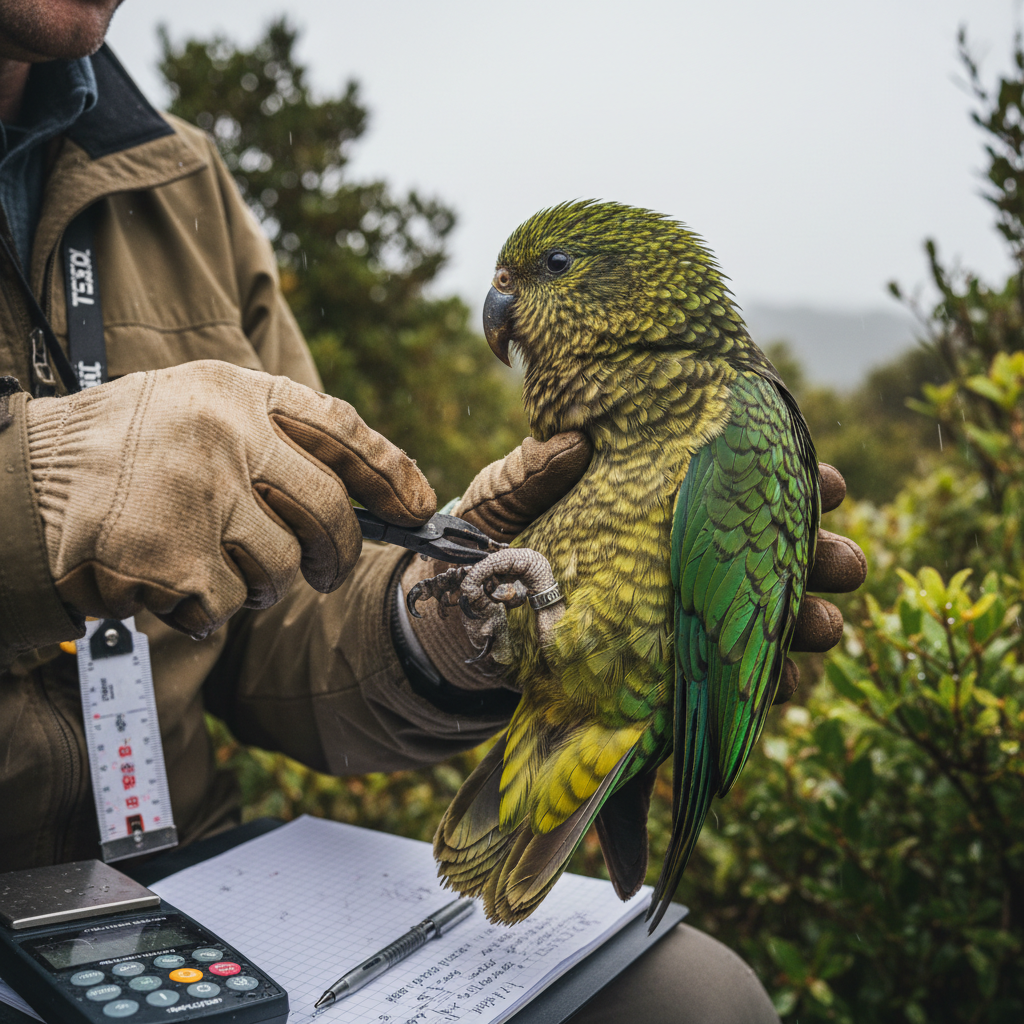
In conservation efforts, Karelian Bear Dogs play a crucial role in non-lethal wildlife control. By using these dogs, wildlife managers can relocate animals without harm, preserving both the animals and their natural habitats.
Moreover, these dogs assist in research and monitoring projects. They help track animal movements and behavior, providing valuable data for conservationists and researchers to develop better management strategies.
Benefits for Human Communities
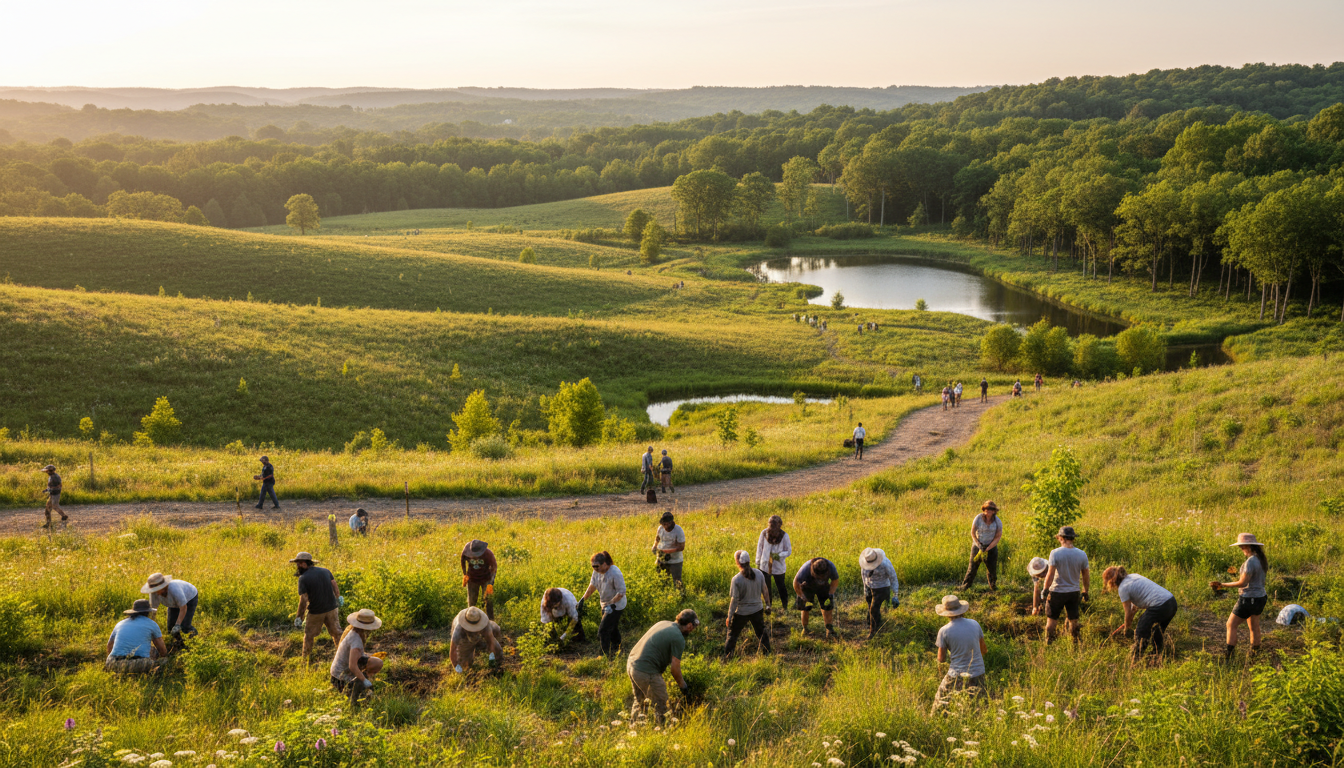
Integrating Karelian Bear Dogs into wildlife management has significant benefits for human communities. They offer a proactive approach to preventing dangerous encounters between humans and wildlife. This can lead to fewer injuries and a decrease in property damage caused by wildlife.
Additionally, their work helps foster a greater understanding and appreciation of wildlife conservation among the public. By seeing these dogs in action, communities can learn about the importance of maintaining a balance between human activities and wildlife preservation.
Success Stories
Several success stories highlight the effectiveness of Karelian Bear Dogs in wildlife management. In various national parks and reserves, these dogs have successfully relocated animals, reducing potential conflicts and preserving both human and animal safety.
For example, in North America, they have been instrumental in managing bear populations, preventing bears from becoming habituated to human food sources and ensuring their survival in the wild.

Training and Collaboration
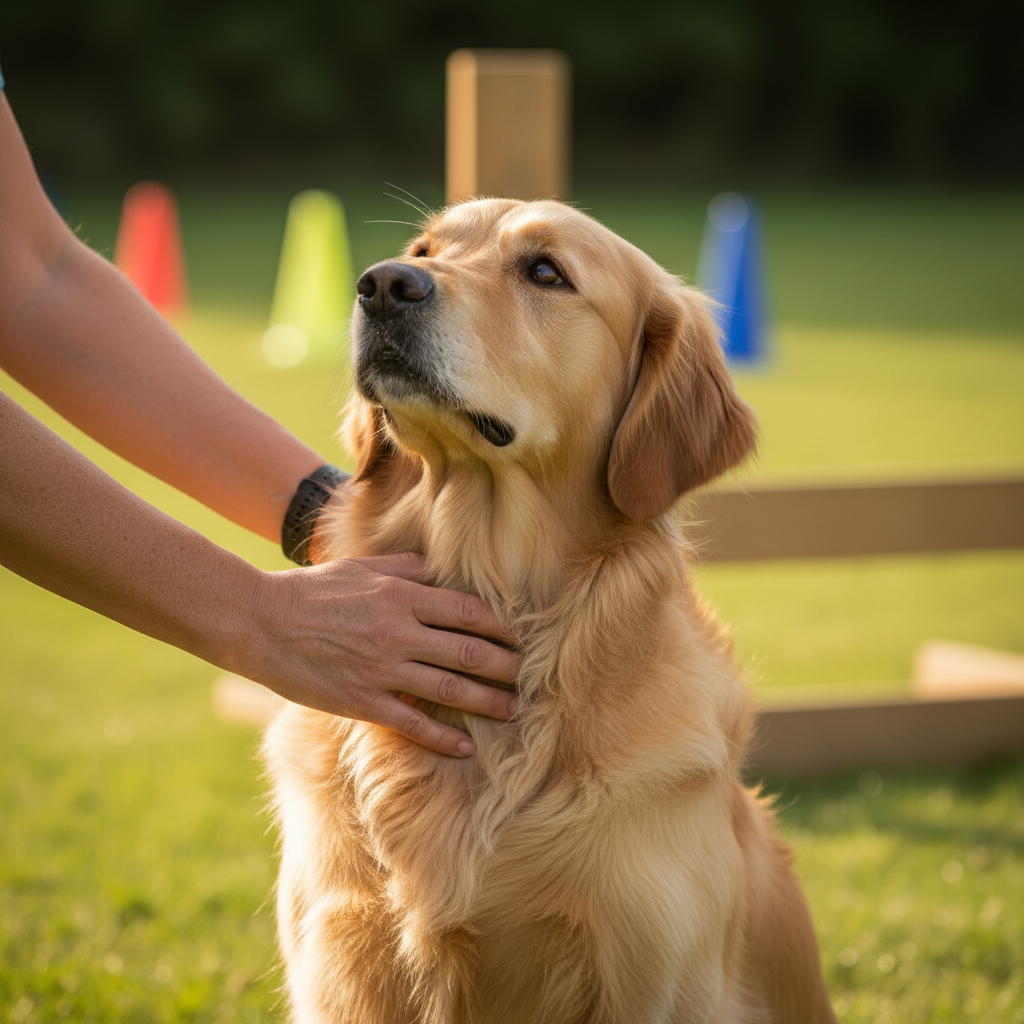
Training Karelian Bear Dogs requires a deep understanding of both the dog and wildlife behavior. Trainers work closely with these dogs to hone their natural instincts and develop effective wildlife management techniques.
Collaboration between wildlife agencies, researchers, and dog trainers is essential for the successful integration of Karelian Bear Dogs into management strategies. This teamwork ensures that both the dogs and wildlife are managed ethically and effectively.
The Future of Wildlife Management
As the need for innovative wildlife management strategies grows, Karelian Bear Dogs offer a promising solution. Their unique skills and adaptability make them an indispensable tool for conservationists and wildlife managers worldwide.
By continuing to explore and expand the use of these dogs, we can look forward to a future where human-wildlife coexistence is not only possible but thriving.