Integrated Pest Management for Wildlife in Alberta: Strategies and Solutions
LL
Understanding Integrated Pest Management (IPM)
Integrated Pest Management (IPM) is a comprehensive approach to managing wildlife pests in Alberta. It involves the use of multiple strategies to control pest populations in an environmentally responsible manner. The goal is to minimize harm to the ecosystem while effectively addressing pest issues.
IPM combines biological, cultural, physical, and chemical tools in a coordinated way. By integrating various methods, it reduces reliance on chemical pesticides, promoting a healthier environment.

Key Strategies in IPM for Wildlife
Biological Control
Biological control involves using natural predators or competitors to manage wildlife pests. This can include introducing or encouraging predatory species that naturally reduce pest populations. For example, certain birds of prey can help control rodent populations.
Cultural Practices
Cultural practices are preventive measures that involve modifying the environment to make it less conducive to pests. This can include habitat modification, sanitation, and changes in agricultural practices to deter wildlife from becoming pests.

Physical and Mechanical Controls
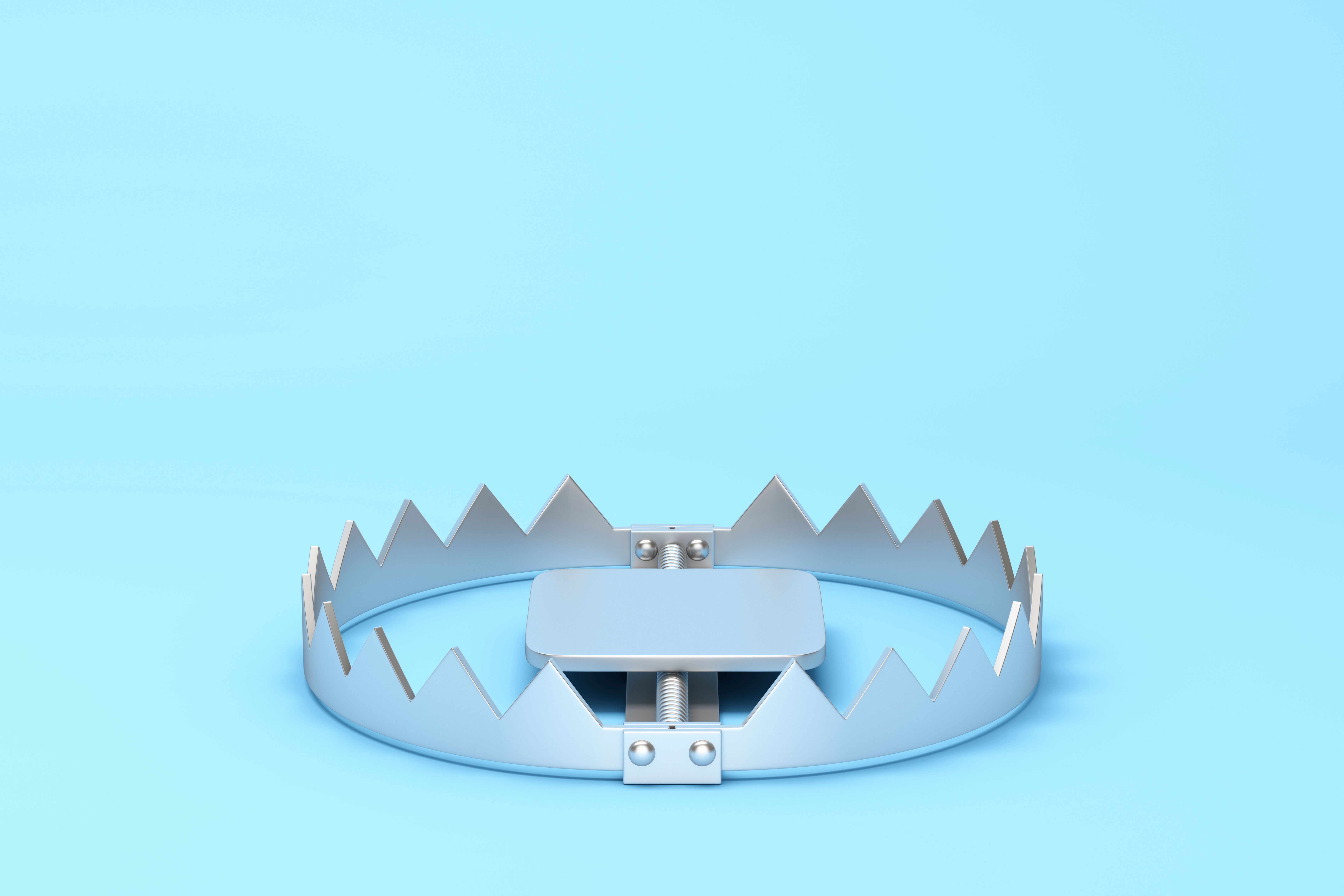
These controls involve physical barriers or traps to prevent pests from accessing certain areas. Fences, netting, and traps are common tools used in this strategy. These methods are effective and environmentally friendly options for managing pest populations.
Physical controls are often combined with other strategies to enhance their effectiveness. For instance, installing barriers along with habitat management can significantly reduce pest issues.
Responsible Chemical Use
While the use of chemicals is minimized in IPM, there are situations where they are necessary. The key is to use them judiciously and only as a last resort. Selecting the least toxic options and applying them in targeted ways can reduce their environmental impact.
Proper training and adherence to regulations are crucial when using chemical controls. This ensures the safety of both humans and wildlife.
Benefits of IPM in Alberta
Implementing IPM strategies offers numerous benefits, including reduced chemical use, improved wildlife health, and enhanced biodiversity. By promoting balanced ecosystems, IPM supports sustainable agriculture and forestry practices.
Furthermore, IPM can lead to long-term cost savings. By focusing on prevention and sustainable practices, the need for expensive interventions can be minimized.

Conclusion
Integrated Pest Management for wildlife in Alberta is a holistic and effective approach to managing pest populations. By combining various strategies, it ensures the protection of natural habitats while addressing pest issues. Embracing IPM not only supports environmental health but also contributes to sustainable development in the region.