Integrating Forestry and Wildlife: Best Practices for Sustainable Land Management
LL
Understanding the Connection Between Forestry and Wildlife
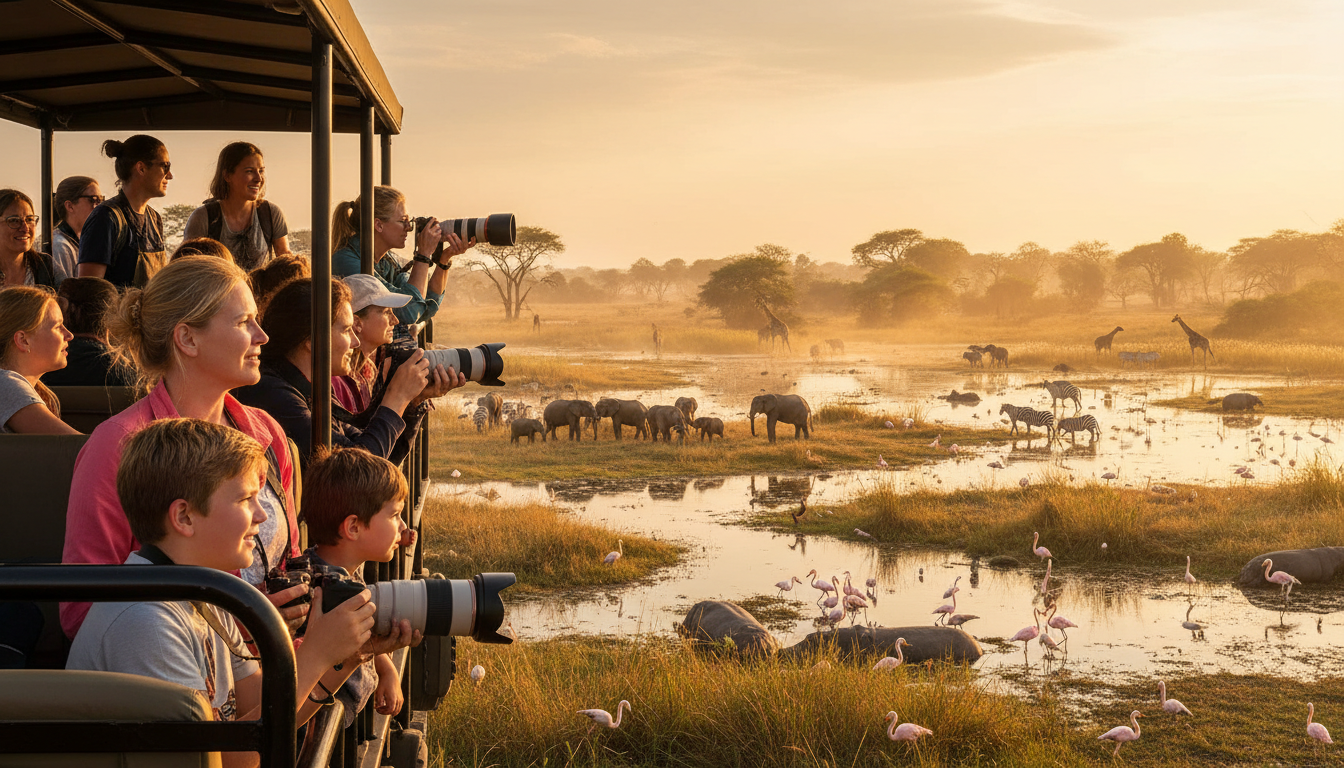
Integrating forestry and wildlife is essential for creating a harmonious ecosystem that supports biodiversity and sustainable land management. Forests provide habitat, food, and shelter for countless species, making their preservation crucial for wildlife. By understanding this connection, we can develop strategies that benefit both forests and the creatures that inhabit them.
The intricate relationship between forests and wildlife is a balancing act. Trees and plants offer shelter and food sources, while animals aid in seed dispersal and pollination, contributing to forest regeneration. Recognizing these dependencies is the first step in crafting effective land management practices.
Best Practices for Sustainable Forestry
Selective Logging
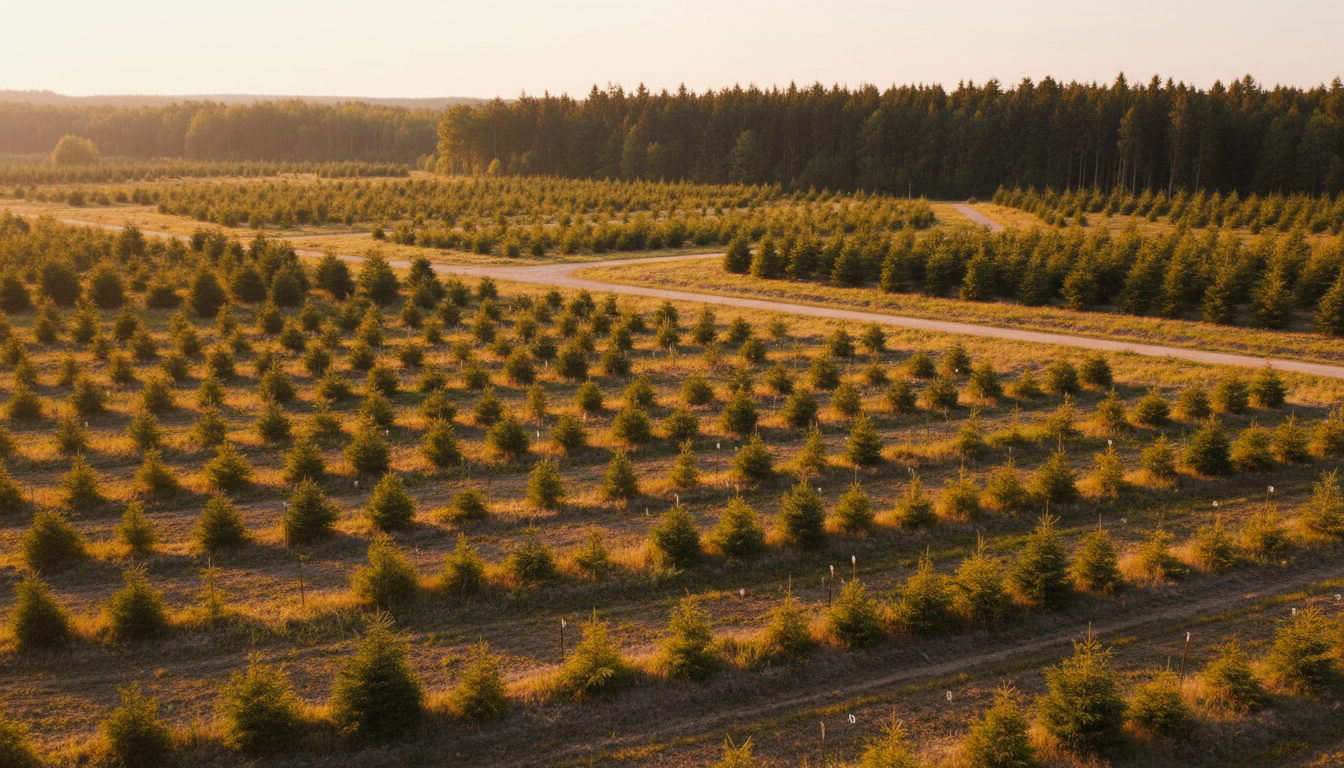
Selective logging is a practice that involves carefully choosing which trees to harvest, minimizing damage to the surrounding environment. This method not only preserves the forest structure but also maintains the habitat needed for various wildlife species. By implementing selective logging, we can ensure that forests continue to thrive while meeting economic needs.
Agroforestry
Agroforestry combines agriculture with forestry practices, creating a more diverse and sustainable land use system. By integrating trees with crops and livestock, agroforestry enhances biodiversity, improves soil health, and provides additional habitat for wildlife. This practice supports both agricultural productivity and ecological balance.
Controlled Burns
Controlled burns, also known as prescribed fires, are a method used to manage forest health. By intentionally setting small, controlled fires, land managers can reduce the risk of larger, more destructive wildfires. This practice also promotes new growth, providing fresh habitat and food sources for wildlife.
Enhancing Wildlife Habitat
Creating Wildlife Corridors
Wildlife corridors are strips of natural habitat that connect separate areas, allowing animals to move safely between them. These corridors are vital for maintaining genetic diversity and enabling species to adapt to environmental changes. By establishing and preserving these pathways, we can protect wildlife populations and promote ecosystem resilience.
Promoting Native Plant Species
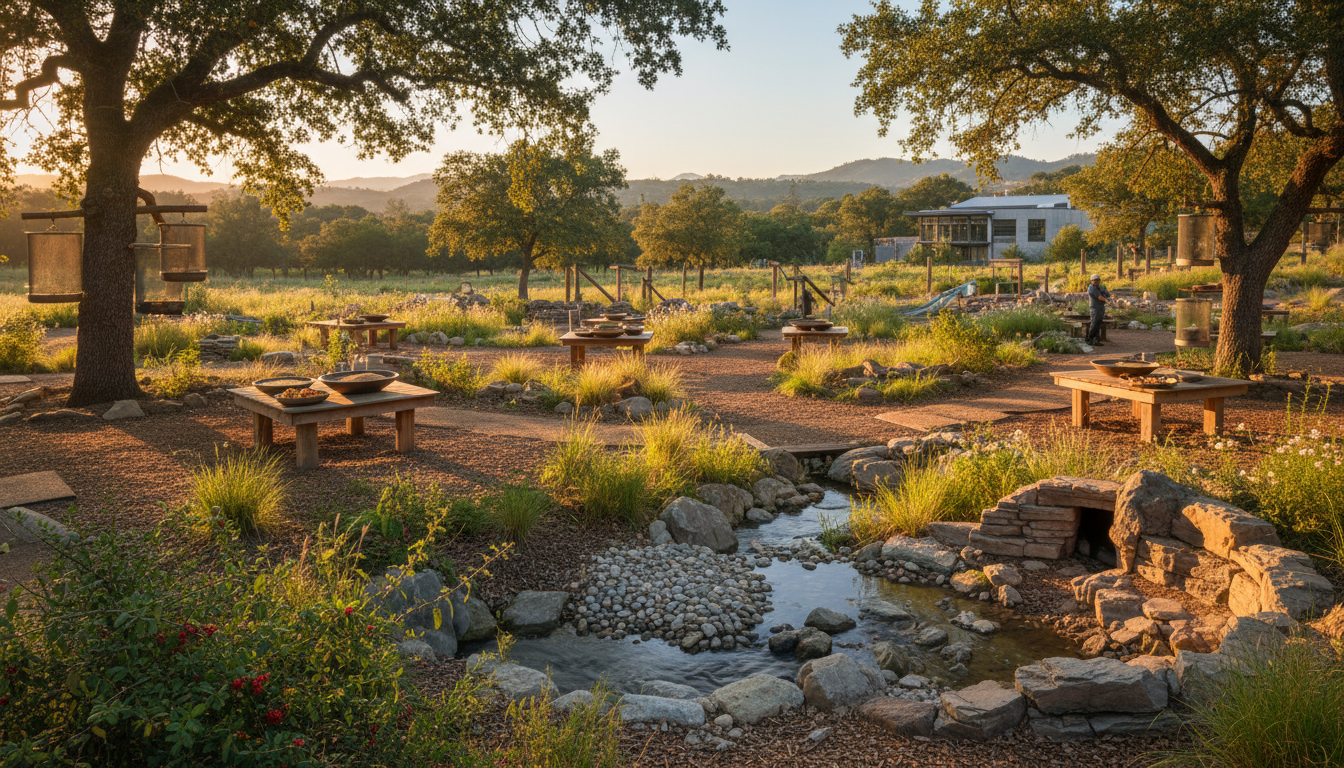
Native plants play a crucial role in supporting local wildlife. They provide food, shelter, and breeding grounds for many species. Encouraging the growth of native plants within forests helps sustain the natural ecosystem and enhances biodiversity. By prioritizing native species, we can create a more balanced and resilient environment.
Monitoring and Evaluation
Regular monitoring and evaluation are essential to ensure the success of integrated forestry and wildlife practices. By tracking changes in biodiversity, forest health, and wildlife populations, land managers can make informed decisions and adapt strategies as needed. This ongoing assessment helps maintain the delicate balance between forestry and wildlife conservation.
Integrating forestry and wildlife is not only possible but essential for sustainable land management. By adopting these best practices, we can create environments that support biodiversity, meet human needs, and preserve natural resources for future generations.