Integrating Forestry and Wildlife: Best Practices for Sustainable Management
LL
Understanding the Relationship Between Forestry and Wildlife
Forestry and wildlife are intrinsically linked, each playing a critical role in maintaining ecological balance. Forests provide habitats, food sources, and migration corridors for various wildlife species. Conversely, wildlife contributes to the health and diversity of forest ecosystems. Integrating forestry and wildlife management is essential for sustainable conservation.
The traditional approach often treated these two sectors separately, but emerging best practices emphasize their interconnectedness. By understanding this relationship, forest managers can create strategies that benefit both forests and wildlife.
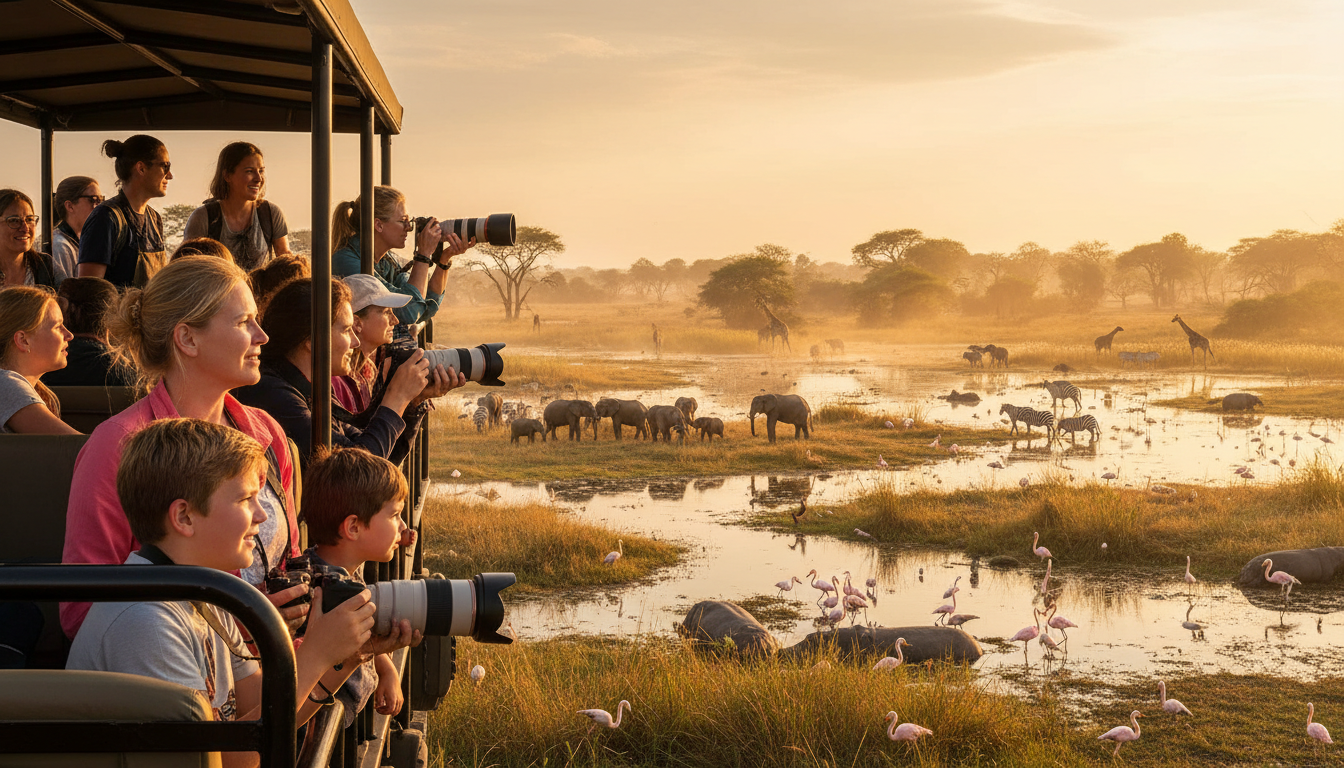
Best Practices for Sustainable Management
Incorporating Biodiversity Conservation
One of the most effective ways to integrate forestry and wildlife is by incorporating biodiversity conservation into forest management plans. This includes preserving native species, protecting endangered habitats, and promoting genetic diversity. Forest managers can implement measures like:
- Maintaining a mix of tree species to support diverse wildlife.
- Protecting water resources that are crucial for both forest health and wildlife.
- Ensuring connectivity between habitats to facilitate wildlife movement.
By prioritizing biodiversity, forests become resilient ecosystems capable of supporting a wide array of species.

Adaptive Management Strategies
Adaptive management is a dynamic approach that allows forest managers to adjust their strategies based on ongoing research and monitoring results. This approach recognizes that ecosystems are constantly changing and requires flexibility in management practices. Key elements include:
- Regular monitoring of wildlife populations and forest health.
- Adjusting timber harvesting techniques to minimize habitat disruption.
- Implementing restoration projects to recover degraded areas.
Adaptive management enables a responsive strategy that can better address the complexities of integrating forestry and wildlife.

Community Involvement and Education
Engaging local communities is vital for the success of integrated management practices. Local people often have invaluable knowledge about their environment and can be strong allies in conservation efforts. Educational programs can raise awareness about the importance of sustainable forestry and wildlife management.
By fostering a sense of ownership and responsibility, communities can actively participate in conservation initiatives, ensuring long-term sustainability and creating economic opportunities through eco-friendly practices.
Policy and Collaboration
Effective integration of forestry and wildlife management also requires supportive policies and collaboration among various stakeholders, including government agencies, NGOs, and private sector partners. Policies should encourage sustainable practices, provide incentives for conservation, and penalize unsustainable exploitation.
Collaboration fosters the sharing of resources, knowledge, and expertise, leading to more comprehensive and effective management strategies. Together, these efforts can protect our natural heritage for future generations.