Myth-Busting Common Wildlife Control Misconceptions
LL
Wildlife control is often misunderstood, leading to numerous myths and misconceptions. These misunderstandings can impact how people deal with wildlife issues in their homes and communities. Let's debunk some of the most common myths surrounding wildlife control.
Myth 1: Wildlife Control Means Harm to Animals
One of the most prevalent myths is that wildlife control always harms animals. In reality, many wildlife control professionals prioritize humane methods. These methods focus on safely relocating animals without causing them injury.
Techniques such as exclusion, habitat modification, and the use of deterrents can effectively manage wildlife issues without harm. It's crucial to hire a reputable service that values ethical practices.
Myth 2: DIY Methods Are Just as Effective
Another common misconception is that do-it-yourself methods are as effective as professional services. While some DIY techniques might provide temporary relief, they often fail to address the root cause of wildlife invasions. This can lead to recurring problems.
Professionals possess the necessary tools and knowledge to assess and resolve wildlife issues comprehensively. Their expertise ensures a long-term solution that DIY methods typically can't offer.
The Limitations of DIY
DIY efforts often lack the comprehensive approach needed for effective control. For instance, simply sealing entry points might not suffice if the underlying attractants are not addressed. Professionals can identify and mitigate these attractants, ensuring a more sustainable solution.

Myth 3: All Wildlife is Dangerous
Many people believe that all wildlife poses a threat to human safety. While some animals can be dangerous, most wildlife is not inherently harmful. Understanding animal behavior is key to coexisting peacefully.
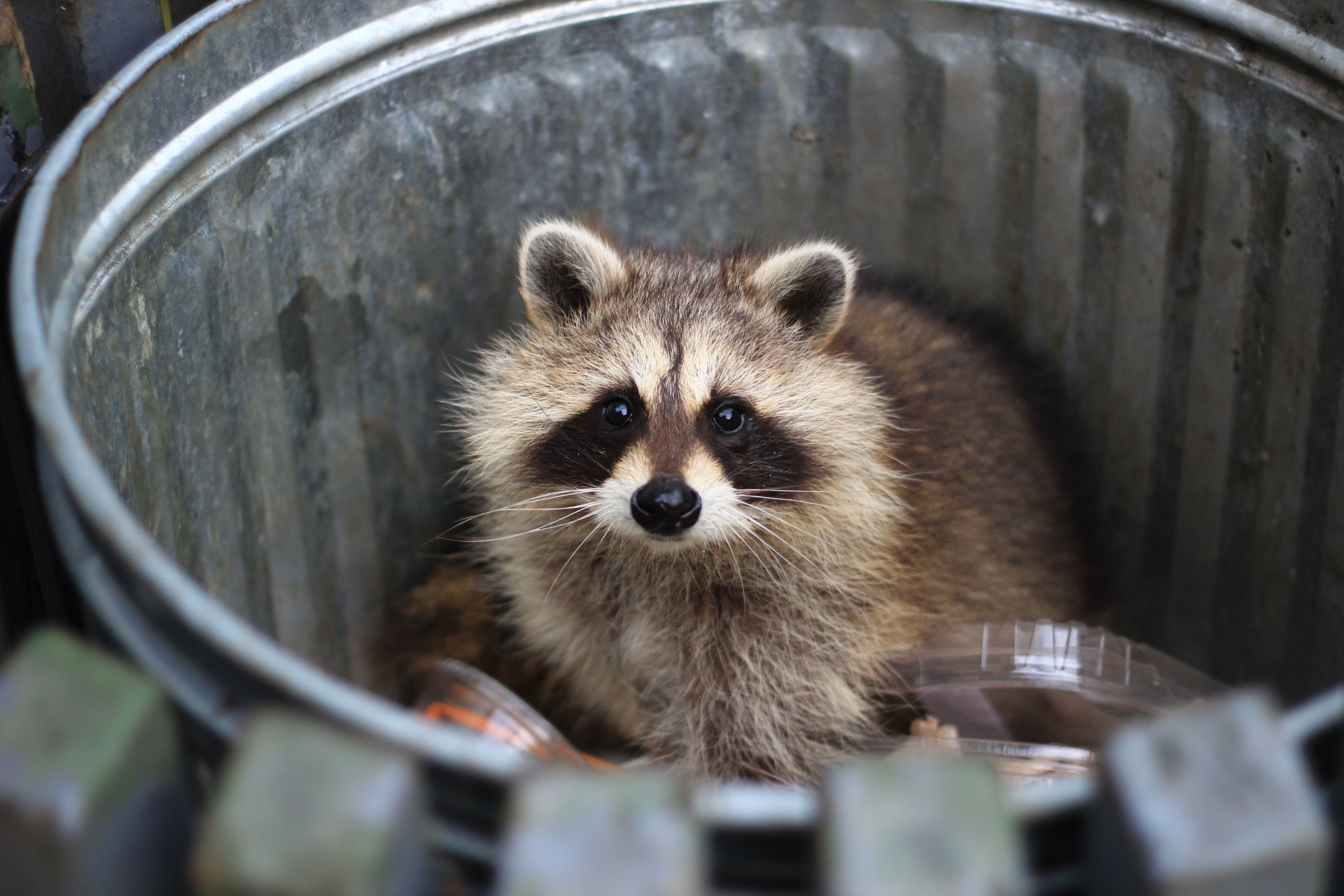
For example, raccoons and squirrels are often seen as pests, but they usually avoid human interaction unless provoked or cornered. Recognizing when to call in professionals is essential for safety and effective management.
Recognizing Real Threats
It's important to differentiate between true threats and harmless wildlife. Snakes, for instance, often have a bad reputation, but many species are non-venomous and beneficial for pest control.

Myth 4: Wildlife Control is Only Needed in Rural Areas
Wildlife issues are not limited to rural areas; urban environments can also experience significant wildlife problems. Cities offer abundant food sources and shelter, attracting a variety of animals.
Rats, pigeons, and raccoons are common urban wildlife that can cause property damage and health risks. Employing wildlife control in urban settings is just as critical as in rural areas.
Urban Wildlife Management
Urban areas require specific strategies for wildlife management. Professionals are adept at navigating these unique challenges, ensuring that both human and animal populations coexist safely.
By debunking these myths, we can better understand the importance of professional wildlife control and the role it plays in maintaining a balanced ecosystem. Always consider consulting with experts to ensure ethical and effective wildlife management.