Navigating Wildlife Regulations in Alberta: What You Need to Know
LL
Understanding Wildlife Regulations in Alberta
Alberta is home to a diverse array of wildlife, ranging from majestic elk and bighorn sheep to elusive lynxes and grizzly bears. However, with such a rich biodiversity comes the responsibility of managing and conserving these natural resources effectively. Understanding the wildlife regulations in Alberta is crucial for anyone interested in exploring the province's natural beauty, whether you're a local resident or a visitor.

Licensing and Permits
Before you head out into the wilderness, it's important to know that certain activities require specific licenses and permits. For instance, fishing and hunting are popular recreational activities in Alberta, but they are regulated to ensure sustainable practices. Obtaining the appropriate licenses is not only mandatory but also helps support conservation efforts.
These licenses can be easily acquired online or through authorized vendors. Remember, having the correct documentation is crucial, as it protects both you and the wildlife. Fines and penalties for non-compliance can be substantial, so it's always best to be prepared.
Protected Areas and Restrictions
Alberta boasts numerous national and provincial parks, each with its own set of regulations. These protected areas are designed to preserve the natural habitat and provide safe havens for wildlife. When visiting these parks, it's essential to adhere to the rules, which may include restrictions on camping, fires, and even certain types of recreational activities.
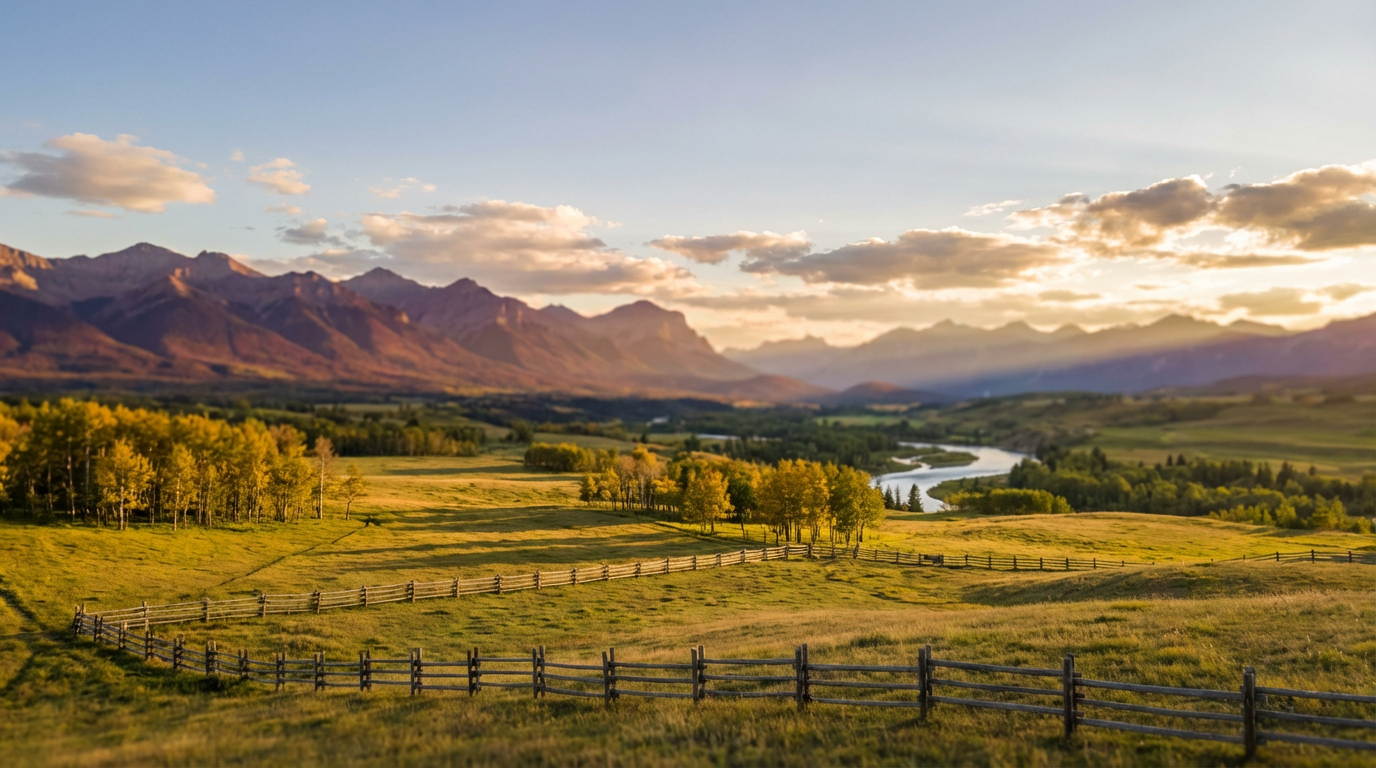
Some areas might be off-limits during specific seasons to protect breeding grounds or sensitive ecosystems. Always check for signage and information at park entrances or visitor centers to stay informed about any restrictions or necessary precautions.
Human-Wildlife Interaction
Interacting with wildlife can be an incredible experience, but it's important to do so responsibly. Alberta has regulations that prohibit feeding or disturbing wildlife, as these actions can lead to dependency and dangerous encounters. Maintaining a safe distance is key to ensuring both your safety and that of the animals.
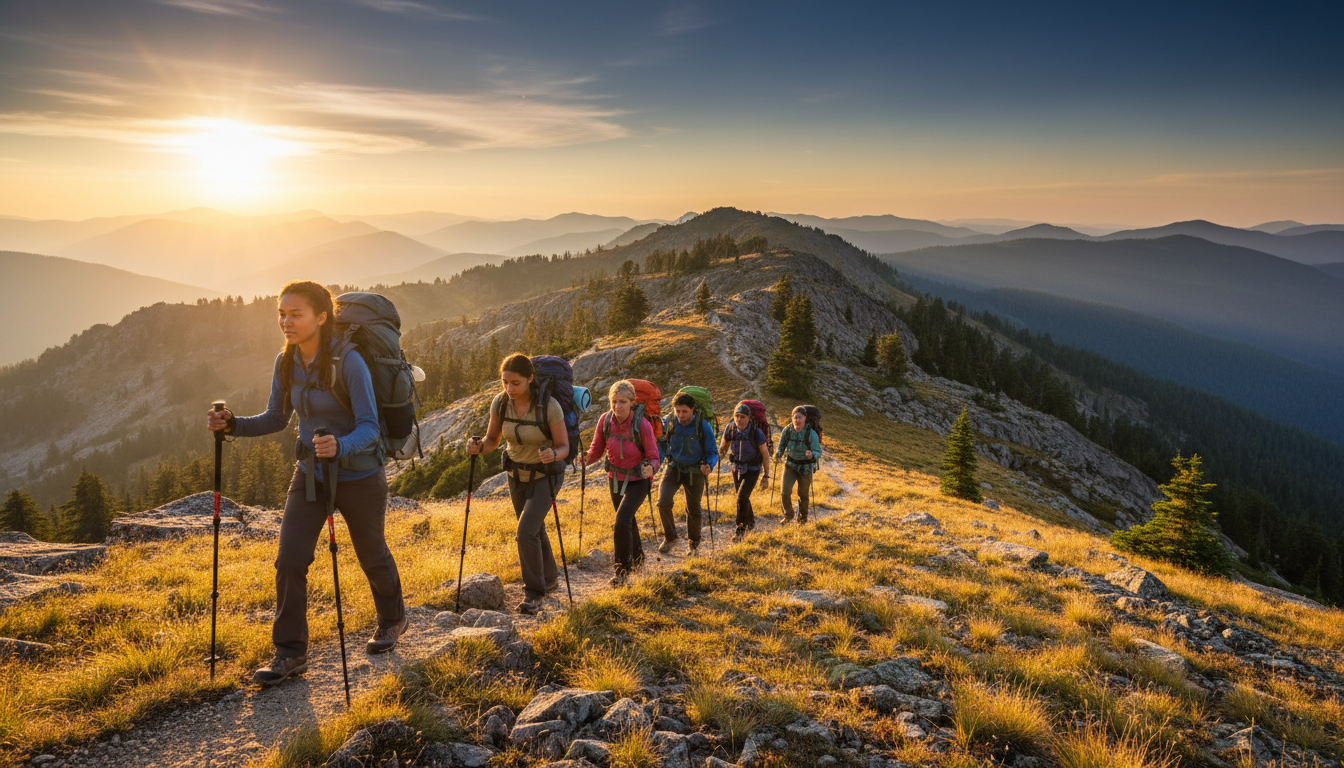
If you're planning to camp or hike, make sure to store food securely and dispose of waste properly. These small actions can significantly reduce the risk of attracting wildlife to campsites or trails.
Conservation and Community Involvement
Conservation is a community effort. Alberta encourages residents and visitors alike to participate in conservation programs and initiatives. Volunteering for wildlife surveys or participating in local clean-up events can make a big difference.
Additionally, staying informed about current environmental issues and supporting local conservation groups can further enhance your understanding and appreciation of Alberta's wildlife.
Staying Informed
Regulations and guidelines can change, so it's beneficial to stay updated. The Alberta government website is a valuable resource for the latest information on wildlife regulations, permits, and conservation efforts. Signing up for newsletters or alerts can ensure you receive timely updates.
By respecting Alberta's wildlife regulations, you contribute to the preservation of its natural beauty and ensure that future generations can enjoy the same experiences. Whether you're an avid outdoors enthusiast or a casual nature lover, understanding and following these guidelines is a step towards a more sustainable and harmonious relationship with nature.