Preparing Your Land for Seasonal Wildlife in Wildwood
LL
Understanding the Needs of Local Wildlife
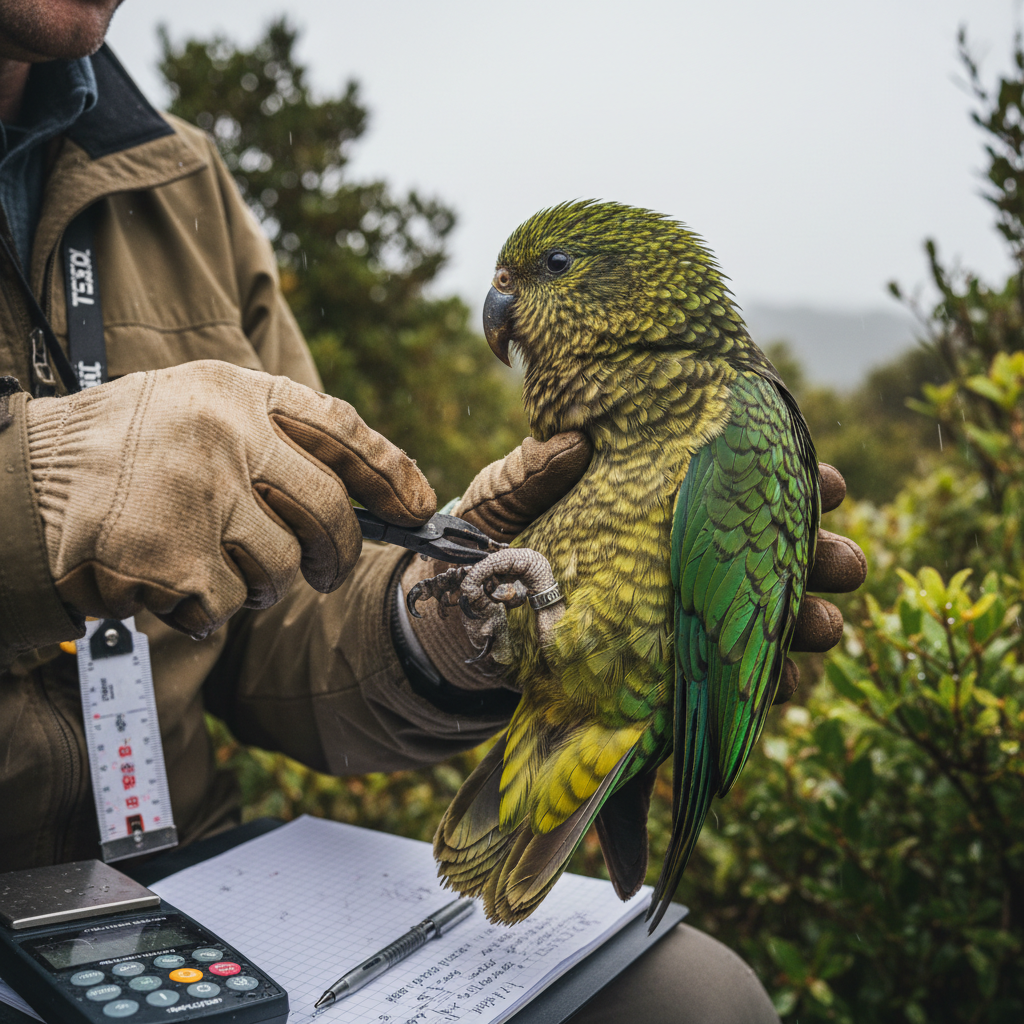
Preparing your land for seasonal wildlife in Wildwood involves understanding the specific needs and behaviors of local species. Each animal has unique requirements for food, shelter, and breeding, which change with the seasons. By recognizing these needs, you can create a more welcoming environment for wildlife.
Start by researching the common species in your area. Birds, mammals, and insects all have different seasonal patterns. Knowing when they migrate, breed, or hibernate will help you plan effectively.
Creating Habitats
One of the most critical steps in preparing your land is creating suitable habitats. Natural habitats such as woodlands, meadows, and wetlands support diverse wildlife. Consider enhancing or restoring these areas to attract more species. Use native plants to provide food and cover, as they are well-suited to local wildlife needs.
Building nesting boxes or leaving dead wood can offer shelter and breeding sites. Avoid over-manicuring your garden, as a slightly wild appearance can be more inviting for animals.

Water Sources
Water is essential for all wildlife. If your property lacks natural water sources, consider adding a pond or birdbath. Ensure the water is clean and accessible, with shallow edges for smaller creatures. In winter, keep the water from freezing by using heaters or periodically breaking the ice.
Providing Food
Food scarcity can be a significant challenge for wildlife, especially during harsh seasons. Planting a variety of trees, shrubs, and flowers that produce seeds, berries, and nectar will help sustain wildlife throughout the year. Supplemental feeding, such as bird feeders, can also support local birds.
Avoid using pesticides, as they can harm both insects and the animals that feed on them. Instead, encourage natural pest control by attracting beneficial predators.
Ensuring Safe Spaces
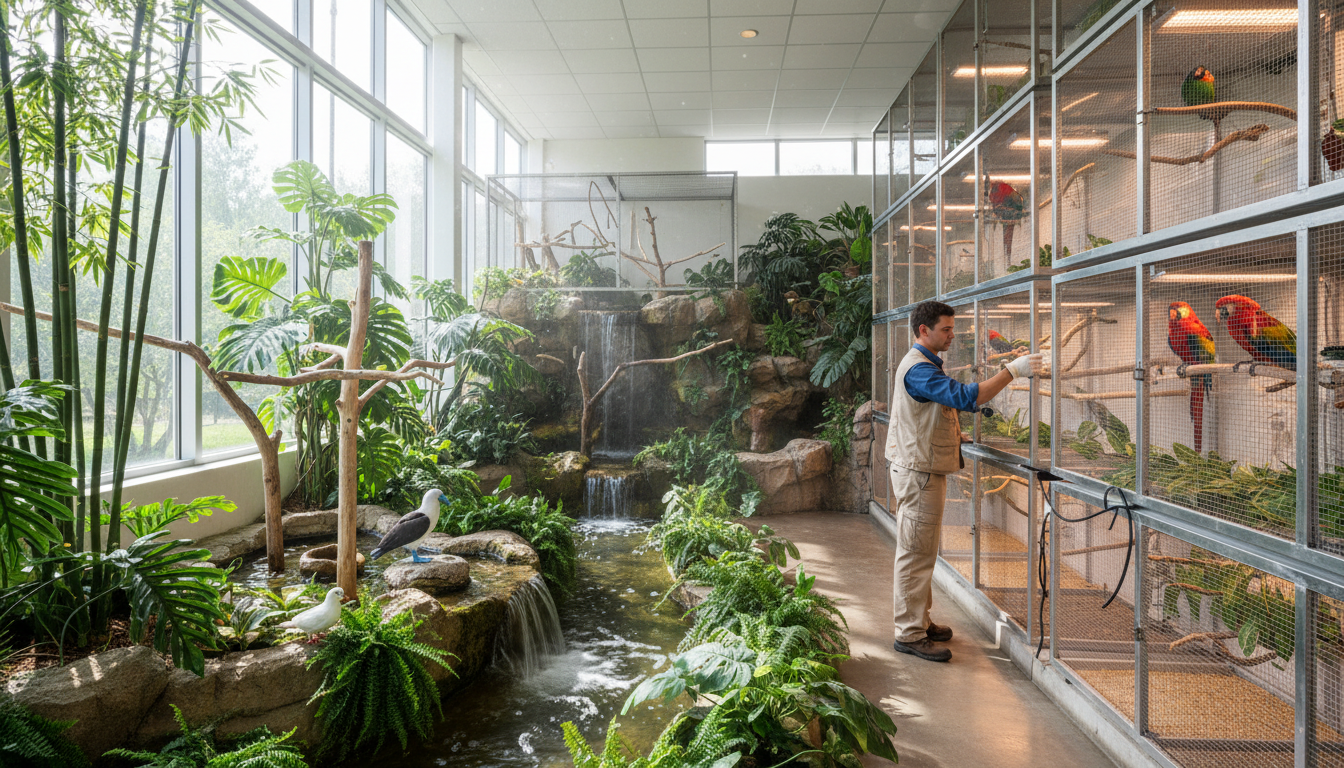
Safety is a crucial consideration when preparing your land. Minimize potential hazards like roads or domestic pets that could threaten wildlife. Installing fences or using deterrents can help keep animals safe within your land.
Consider creating wildlife corridors that connect different habitats, allowing animals to move safely between them. This connectivity can enhance biodiversity and resilience.
Monitoring and Adapting
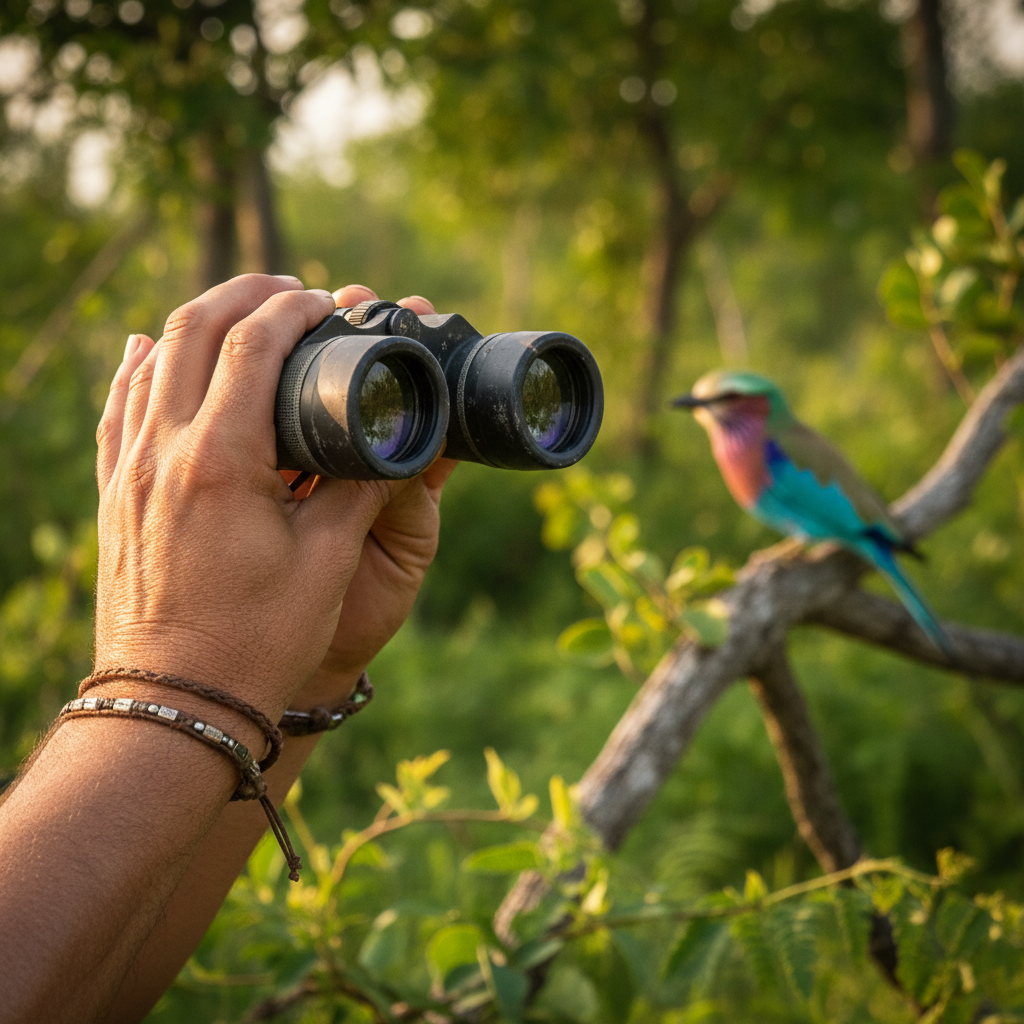
Once you have prepared your land, continuous monitoring is essential. Observe the changes in wildlife activity and adjust your strategies as needed. Keep track of the species visiting your property and note any new arrivals or departures.
Participating in citizen science projects can provide valuable data and help you stay connected with the broader community working towards wildlife conservation. Your efforts can contribute significantly to preserving the rich biodiversity of Wildwood.