Seasonal Wildlife Management in Wildwood: Preparing for the Changes
LL
Understanding Seasonal Wildlife Changes
Wildwood is a haven for diverse wildlife, making it a popular destination for nature enthusiasts. However, the changing seasons bring about shifts in wildlife behavior and population dynamics. Understanding these changes is crucial for effective wildlife management.
As the weather transitions from one season to another, animals adapt their behaviors to survive. Some species migrate, while others enter hibernation. These behavioral adjustments can impact local ecosystems significantly.
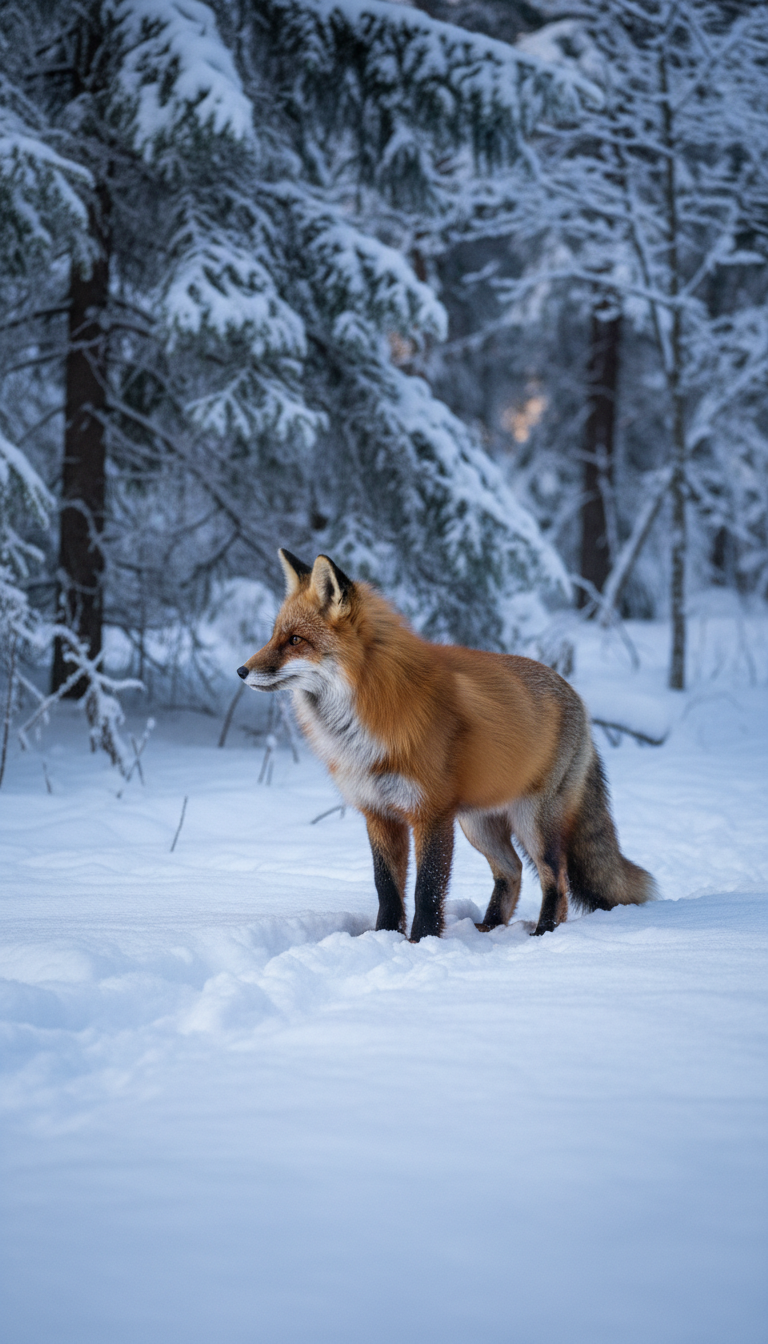
Winter Preparations for Wildlife
Winter in Wildwood presents unique challenges for wildlife. As temperatures drop and food becomes scarce, animals must find ways to conserve energy and stay warm. Proper management ensures that species have the resources they need to survive the harsh conditions.
Implementing supplemental feeding programs can help sustain certain wildlife populations. Additionally, preserving natural habitats like dense forests provides essential shelter during the colder months.
Monitoring Migratory Patterns
Migratory birds are a key focus during seasonal transitions. Wildwood serves as a critical stopover for many species, making it essential to monitor their patterns. This can help in creating strategies to protect these birds during their journey.
Conservationists can track these patterns using technology such as GPS tagging and community-driven observation programs. This data is invaluable for maintaining the balance of local ecosystems.
Spring and Summer: A Time for Growth
As winter fades, spring and summer bring new life to Wildwood. Wildlife populations expand as animals emerge from hibernation and migratory species return. This period is crucial for breeding and nurturing young animals.

Wildlife management during these months focuses on ensuring that habitats are conducive to growth. This includes maintaining clean water sources and protecting nesting areas from human disturbance.
Preventing Human-Wildlife Conflict
With increased human activity during warmer months, the potential for human-wildlife conflict rises. Effective management strategies are essential to minimize these interactions for the safety of both wildlife and people.
- Educating the public about safe practices in wildlife areas.
- Implementing barriers or deterrents in sensitive areas.
- Promoting coexistence through community engagement.
Autumn: Preparing for the Cycle
Autumn marks the beginning of a new cycle as wildlife prepares for the upcoming winter. Animals gather food and strengthen their shelters, while migratory species start their journeys once again.
Wildwood's management efforts during this time focus on ensuring that ecosystems are balanced and that there is minimal disruption to natural processes. This involves habitat restoration and monitoring wildlife health.
Long-term Wildlife Management Strategies
Effective seasonal wildlife management requires a long-term approach. By understanding the cyclical nature of wildlife behavior, conservationists can develop strategies that support sustainable ecosystems year-round.
- Continual research and data collection.
- Adapting management practices based on findings.
- Engaging with local communities to foster support.
In conclusion, seasonal wildlife management in Wildwood is a dynamic process that requires careful planning and execution. By preparing for seasonal changes, we can ensure that Wildwood remains a thriving sanctuary for wildlife.