Success Stories: Transforming Wildwood's Green Spaces for Wildlife
LL
Revitalizing Wildwood's Ecosystem
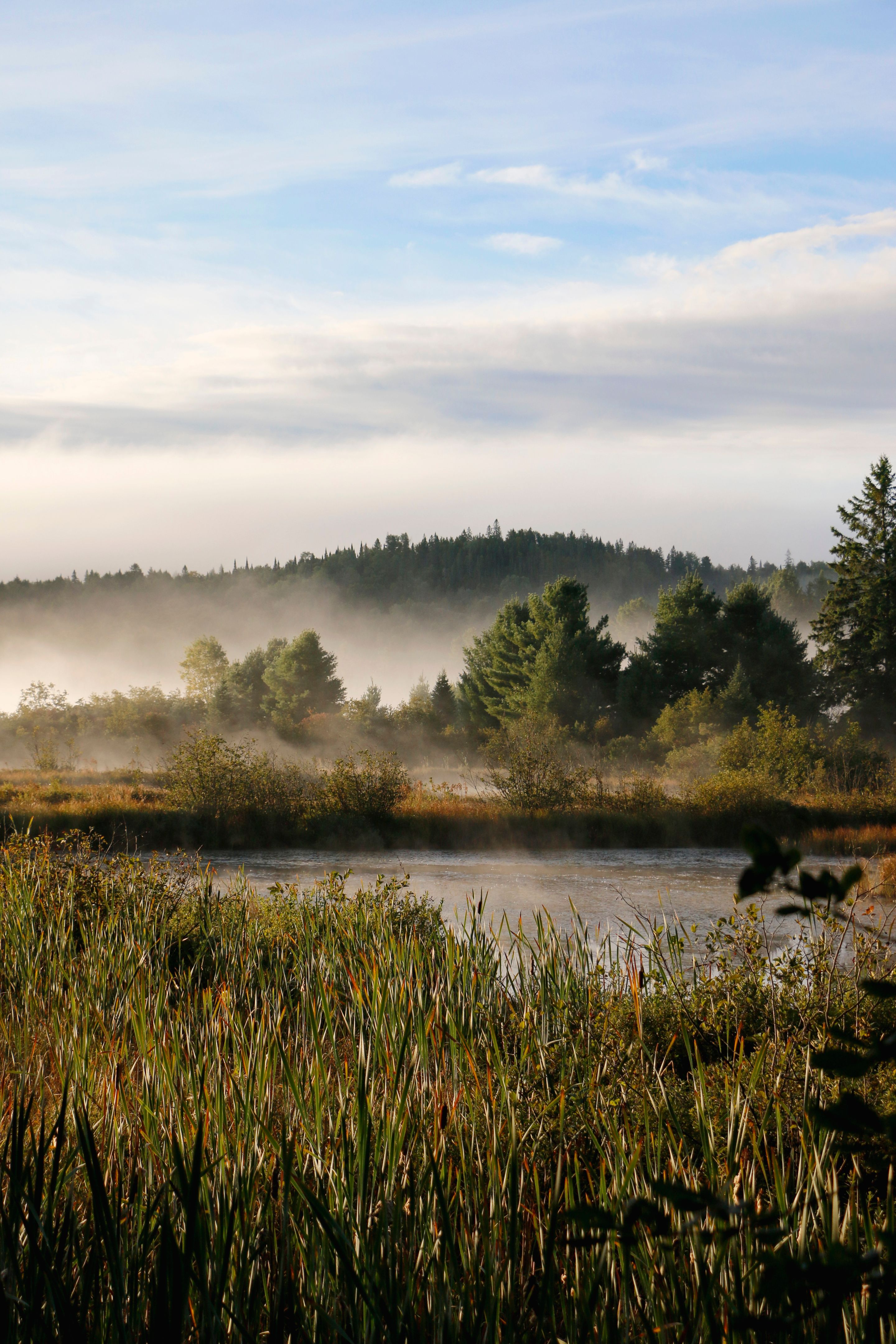
Wildwood has long been known for its scenic beauty, but recent efforts to transform its green spaces have brought a new dimension to this picturesque town. By focusing on enhancing habitats for local wildlife, community leaders and volunteers have created a thriving ecosystem that benefits both residents and animals. These initiatives highlight the power of collaboration and innovative environmental strategies.
The transformation process began with a comprehensive assessment of existing green spaces and identifying areas that could support more diverse wildlife. Experts and volunteers then worked together to create a detailed plan, incorporating native plants and sustainable practices to attract various species. The results have been nothing short of remarkable, with a noticeable increase in biodiversity.
The Role of Community Engagement
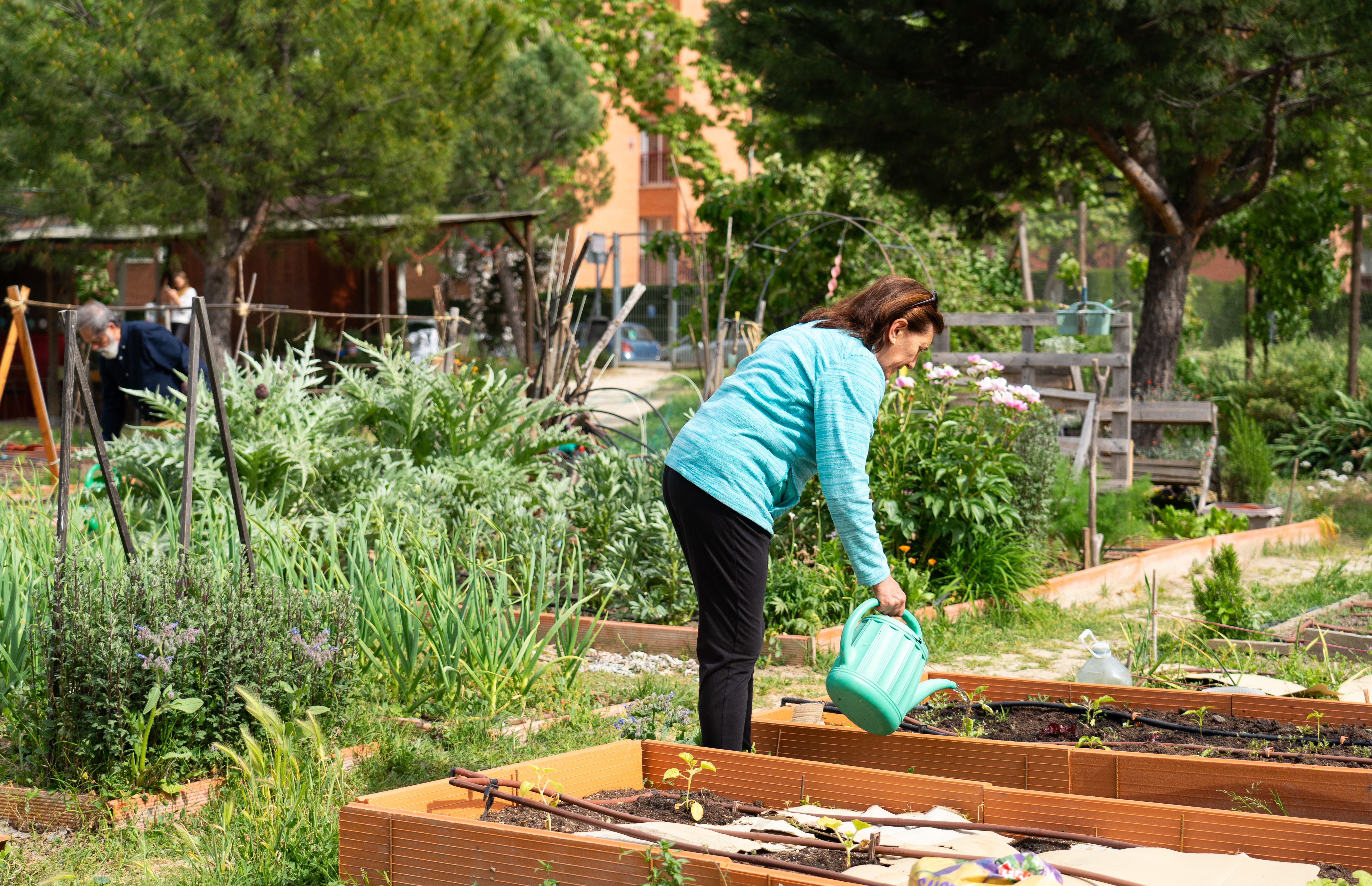
Community involvement has been a cornerstone of Wildwood's success. Local residents have participated in workshops and training sessions to learn about sustainable gardening and habitat creation. This hands-on approach has not only educated the community but also fostered a sense of ownership and pride in the project. Volunteers of all ages have contributed their time and skills to plant trees, build birdhouses, and maintain these vital green spaces.
A key aspect of the initiative has been the focus on education. Schools have integrated environmental studies into their curriculum, allowing students to explore local ecosystems and understand the importance of conservation. This educational component ensures that future generations will continue to value and protect their natural surroundings.
Innovative Strategies for Wildlife Support
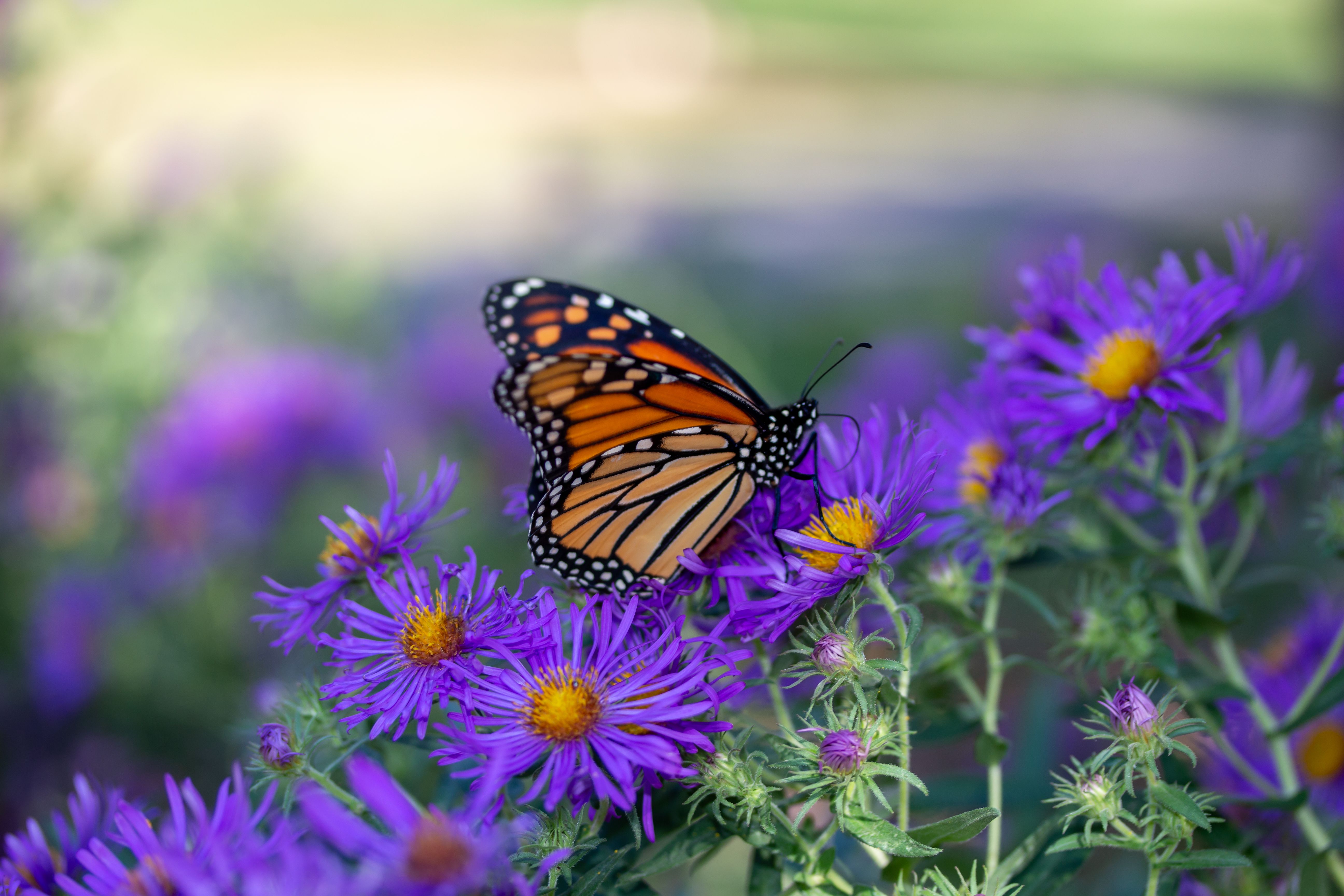
To support a wide range of wildlife, Wildwood's green spaces have been designed with specific features in mind. Pollinator gardens have been established to attract bees and butterflies, while wetlands have been restored to provide a habitat for amphibians and migratory birds. These targeted efforts have contributed to the flourishing biodiversity in the area.
In addition to physical changes, the community has implemented policies to further protect wildlife. Initiatives such as reducing pesticide use and promoting organic gardening techniques have minimized environmental impact while enhancing the health of local flora and fauna. These practices serve as a model for other communities aiming to balance human activity with ecological preservation.
Measuring Success and Looking Forward
The success of Wildwood's transformation is evident in the thriving wildlife populations and the vibrant green spaces now enjoyed by all. Regular monitoring and data collection have allowed the community to track the progress of their efforts and make informed decisions about future projects. The positive outcomes have garnered attention from neighboring towns, inspiring similar initiatives across the region.
Looking ahead, Wildwood plans to expand its efforts by exploring new areas for conservation, enhancing existing habitats, and continuing to engage the community. By building on the foundation of success already achieved, Wildwood is poised to become a leader in sustainable urban development, demonstrating how towns can coexist with nature in harmony.