Using Drones in Wildlife Management: Innovations and Insights
LL
Introduction to Drone Technology in Wildlife Management
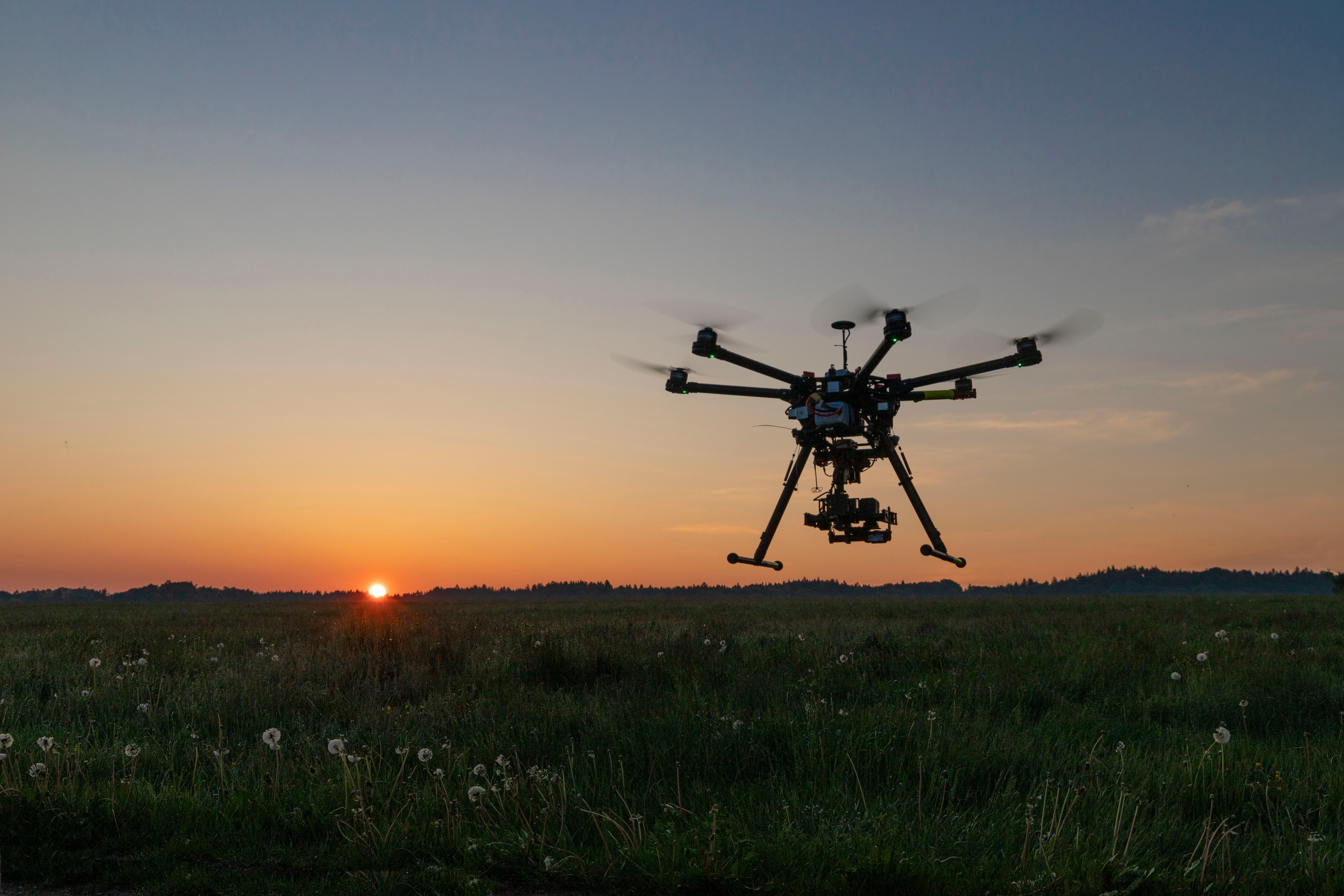
The integration of drone technology into wildlife management is revolutionizing the way conservationists and researchers monitor and protect wildlife. These unmanned aerial vehicles offer a cost-effective and efficient means of gathering data in various ecosystems. From tracking animal movements to mapping habitats, drones are becoming essential tools in the field.
Monitoring Wildlife Populations
One of the primary applications of drones in wildlife management is the monitoring of animal populations. By using drones equipped with high-resolution cameras, researchers can conduct aerial surveys to estimate population sizes and track changes over time. This method minimizes disturbance to the animals and provides more accurate data than traditional ground surveys.
Moreover, drones can access remote and difficult-to-reach areas, allowing for comprehensive monitoring that was previously impossible. This capability is particularly valuable for studying elusive or endangered species in vast landscapes.
Habitat Mapping and Analysis
Drones are also instrumental in mapping and analyzing wildlife habitats. By capturing detailed aerial imagery, they help researchers assess habitat conditions and identify changes due to factors like climate change or human encroachment. This information is crucial for making informed conservation decisions.

Advanced software allows for the creation of 3D models and maps, providing insights into vegetation types, water sources, and other critical habitat features. Such data aids in the development of strategies to preserve and restore habitats.
Anti-Poaching Efforts
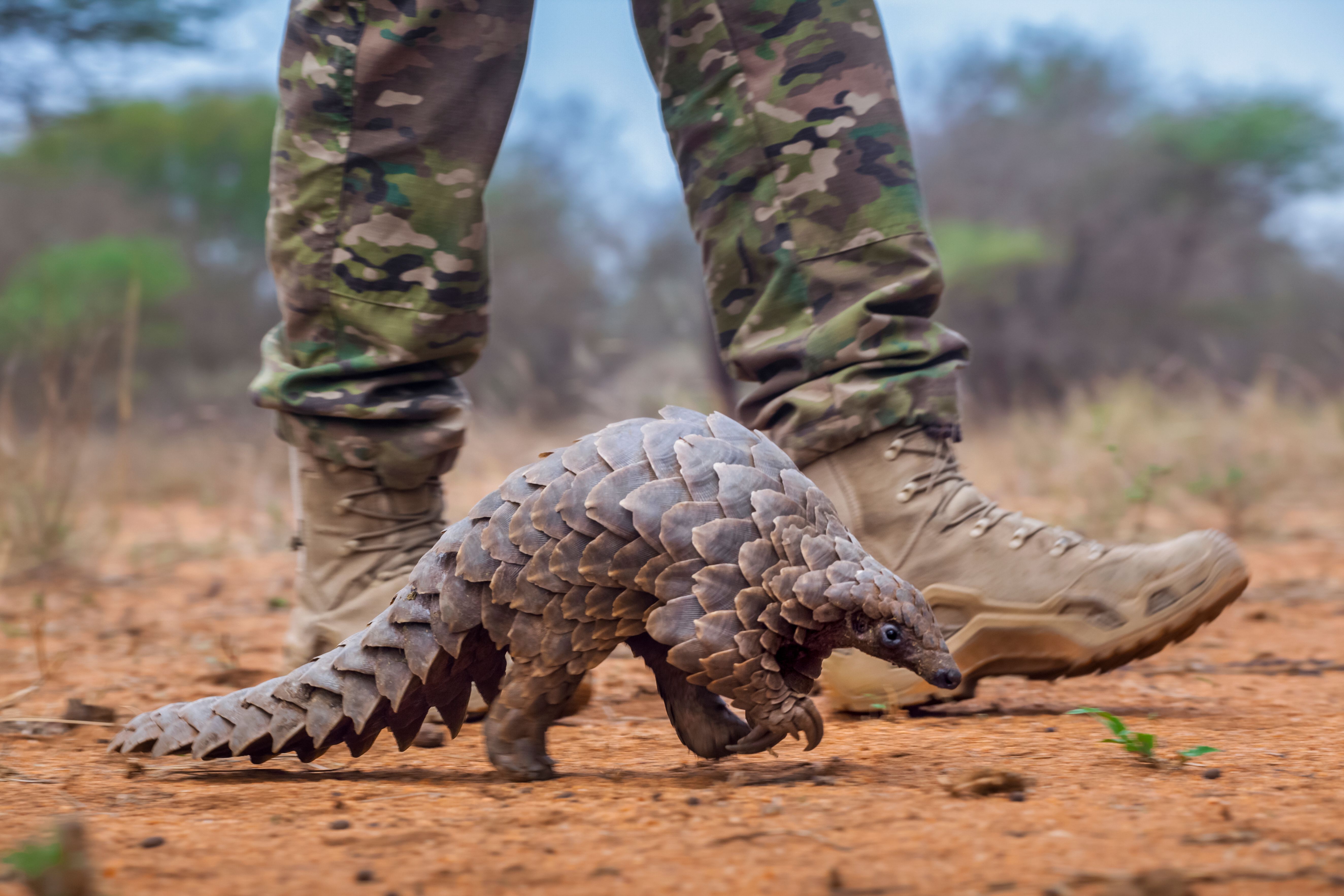
In addition to monitoring and mapping, drones play a significant role in anti-poaching efforts. Equipped with thermal cameras and GPS, drones can patrol protected areas and detect poachers in real-time. This proactive approach helps authorities respond swiftly to illegal activities, safeguarding endangered species.
By leveraging drones, wildlife agencies can cover larger areas with fewer resources, making anti-poaching operations more effective and sustainable.
Challenges and Future Prospects
Despite their advantages, the use of drones in wildlife management presents several challenges. Issues such as regulatory restrictions, technical limitations, and potential disturbances to wildlife need to be addressed. However, ongoing advancements in drone technology and policy frameworks are paving the way for broader adoption.
Looking ahead, the future of drones in wildlife management is promising. Innovations such as AI integration for data analysis and improvements in battery life and range are expected to enhance their capabilities further. As these technologies evolve, drones will continue to be invaluable tools for conserving biodiversity.