Wildlife and Forestry: How Integration Benefits the Environment
LL
The Symbiotic Relationship Between Wildlife and Forestry
Integrating wildlife conservation with forestry management creates a symbiotic relationship that benefits both ecosystems. Forests provide critical habitats for a diverse range of species, while wildlife contributes to the health of these forests through natural processes like seed dispersal and pest control. This integration is essential for maintaining biodiversity and enhancing ecosystem services.
Enhancing Biodiversity Through Integration
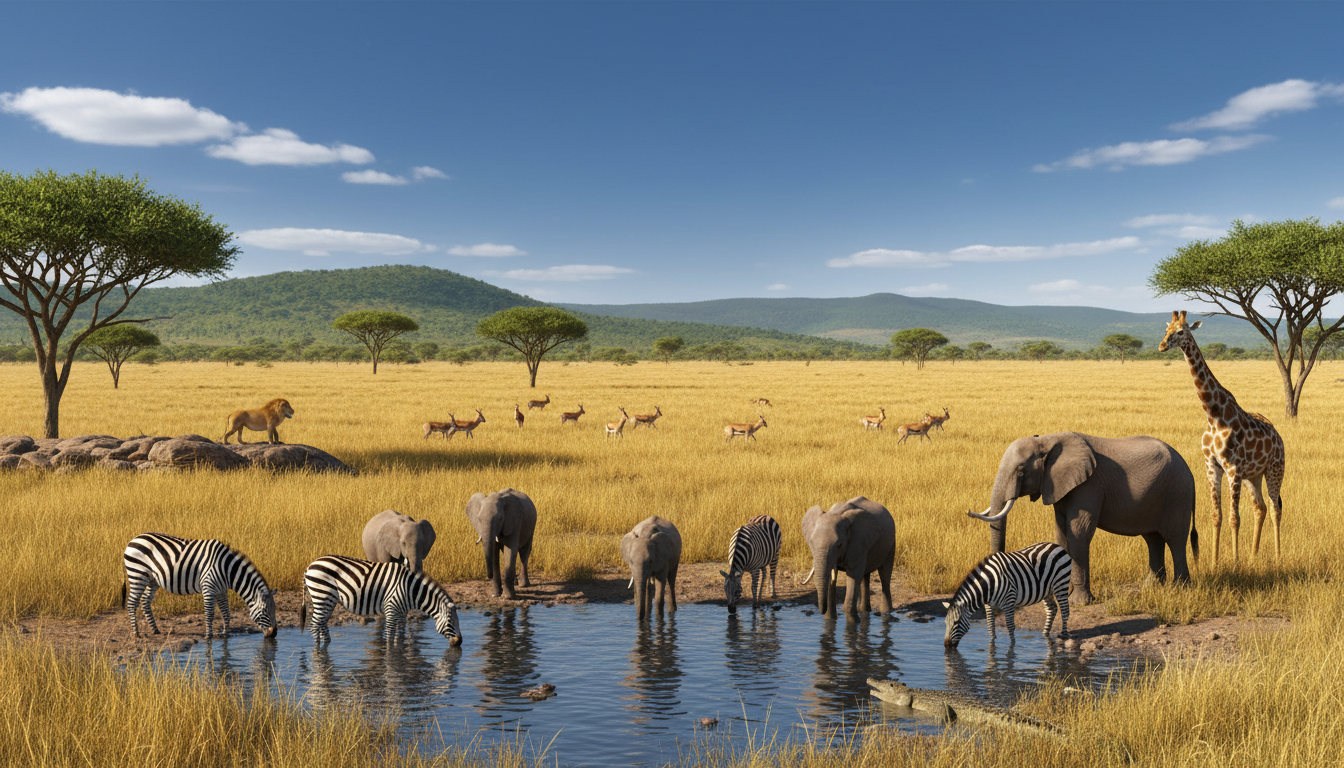
Forests are home to a vast array of plant and animal species. By integrating wildlife into forestry practices, we can enhance biodiversity, which in turn strengthens ecosystem resilience. Diverse ecosystems are more adaptable to changes, such as climate shifts and disease outbreaks, allowing them to recover more quickly from disturbances.
Conserving wildlife within forest ecosystems ensures the protection of rare and endangered species. Sustainable forestry practices that consider wildlife needs help maintain population stability and prevent habitat loss, which is a leading cause of species decline.
Improving Ecosystem Services
Forests provide a multitude of ecosystem services, from carbon sequestration to soil stabilization. Wildlife plays a crucial role in these processes. For example, birds and mammals contribute to seed dispersal, promoting forest regeneration and growth. Predators help control herbivore populations, preventing overgrazing and maintaining vegetation balance.

By integrating wildlife into forestry management, we can improve the quality and quantity of these ecosystem services. This integration not only supports environmental health but also benefits human populations that depend on these resources for their livelihoods.
Challenges and Solutions
Despite the benefits, integrating wildlife and forestry poses challenges, such as balancing resource extraction with conservation efforts. However, sustainable management practices can mitigate these issues. Approaches like selective logging and maintaining wildlife corridors help preserve essential habitats while allowing for economic use of forest resources.
- Selective logging: Reduces habitat disruption by carefully choosing which trees to harvest.
- Wildlife corridors: Connect fragmented habitats, allowing species to migrate and thrive.

Community Involvement and Education
Community involvement is vital for successful integration. Educating local populations about the benefits of wildlife and forestry integration fosters a sense of stewardship and encourages sustainable practices. Community-led initiatives can drive conservation efforts, ensuring long-term success and community support.
By promoting awareness and understanding, we empower communities to protect their natural resources while benefiting from them economically. This collaborative approach is key to achieving sustainable development goals.
Conclusion: A Path Forward
Integrating wildlife and forestry offers a promising path toward environmental sustainability. By enhancing biodiversity and improving ecosystem services, we can create resilient ecosystems that support both wildlife and human needs. Overcoming challenges through sustainable practices and community involvement will ensure that this integration continues to benefit the environment for generations to come.