Wildlife Habitat Management: Strategies for Preserving Alberta's Natural Beauty
LL
Understanding the Importance of Wildlife Habitat Management
Alberta's breathtaking landscapes are home to a diverse array of wildlife species. From the majestic Rocky Mountains to the sprawling prairies, the province's natural beauty is a vital part of its identity. However, preserving these habitats is crucial to maintaining ecological balance and ensuring future generations can enjoy Alberta's rich biodiversity.
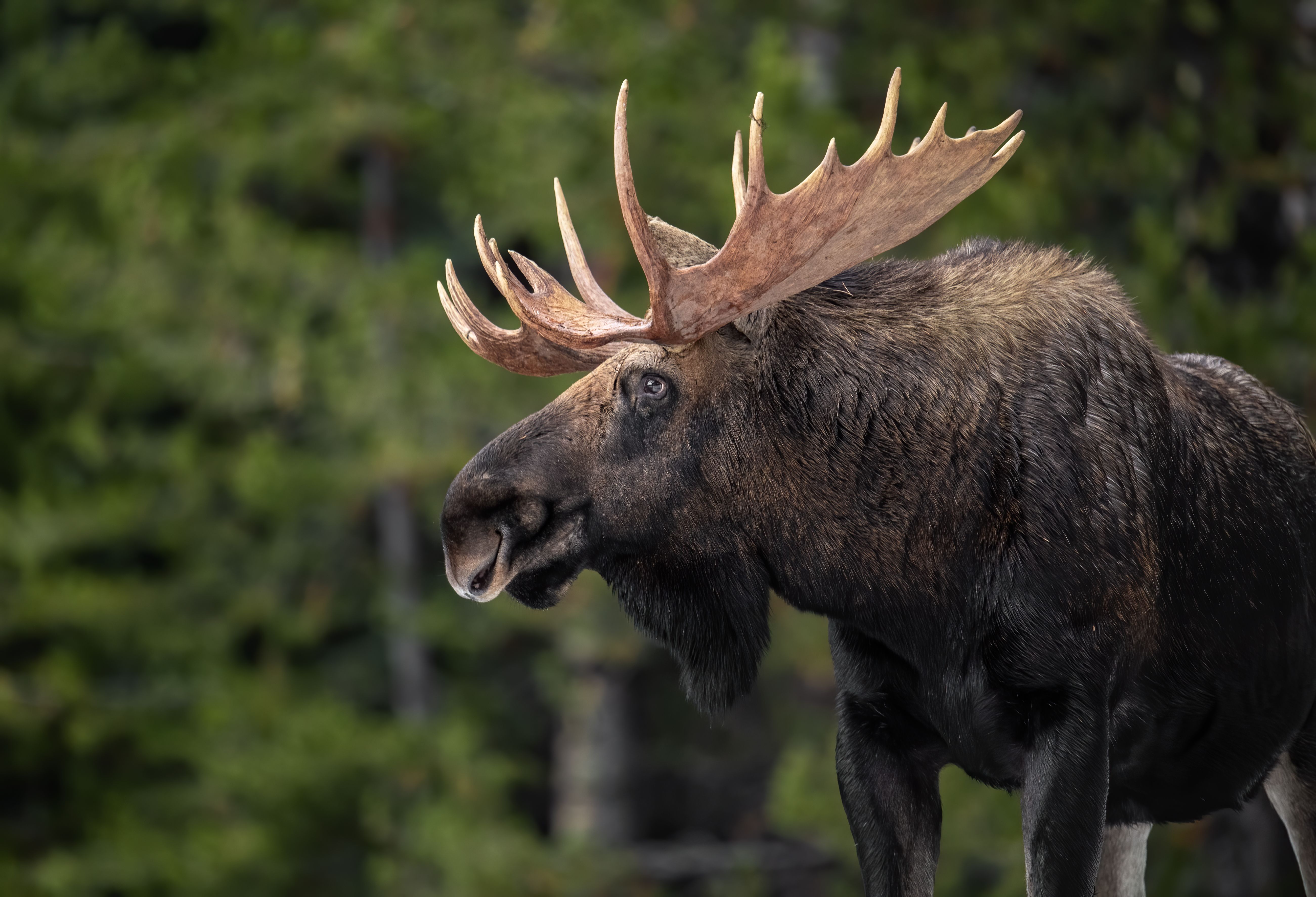
Effective wildlife habitat management involves a range of strategies aimed at conserving and restoring natural environments. By understanding the needs of different species and the threats they face, we can implement measures that protect these ecosystems.
Key Strategies for Habitat Preservation
Conservation Easements and Protected Areas
One of the most effective ways to safeguard habitats is through conservation easements and the establishment of protected areas. These legal agreements restrict certain types of development, ensuring that critical habitats remain untouched. In Alberta, numerous parks and reserves have been designated to protect valuable ecosystems.
Restoration Projects
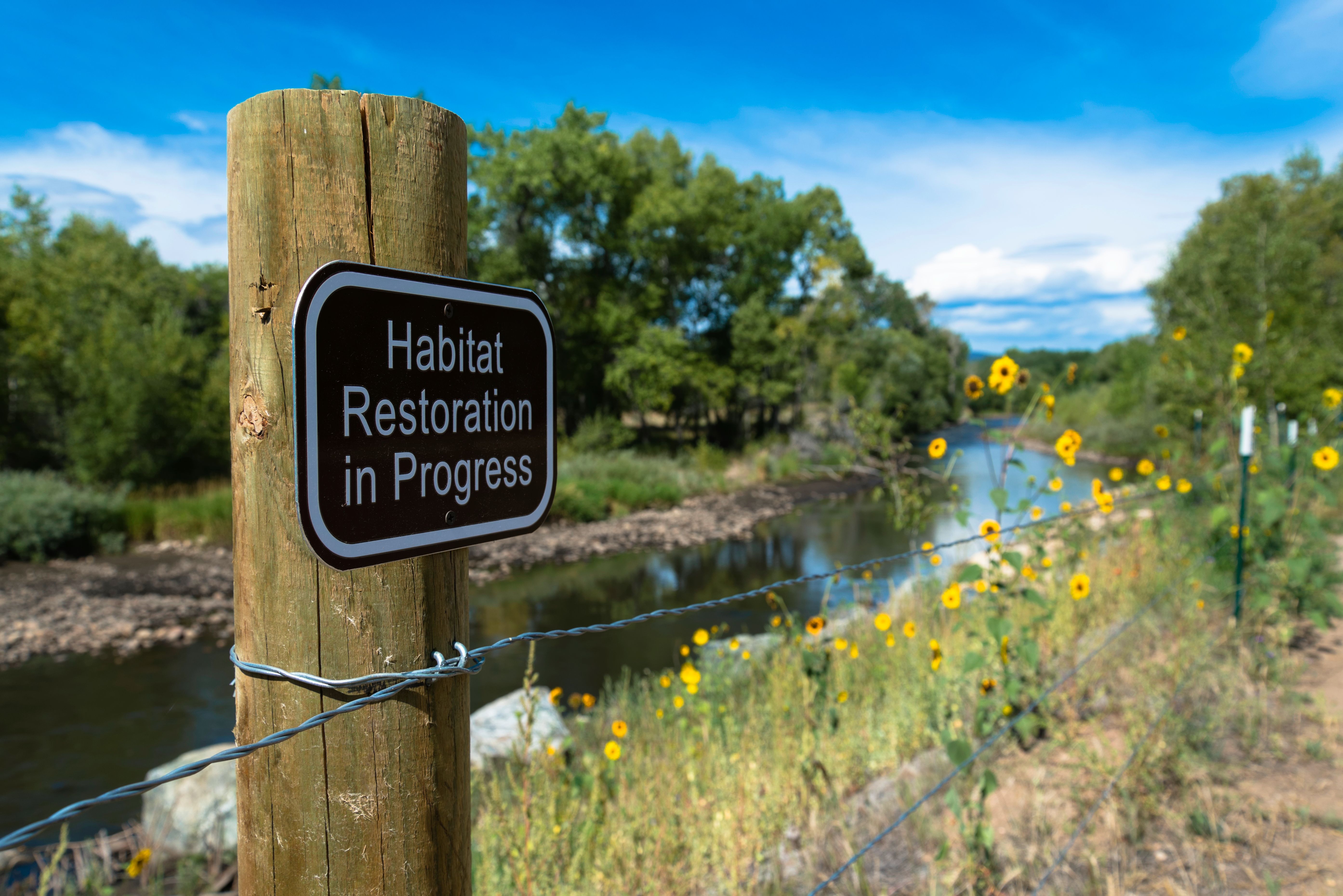
Restoration projects play a vital role in reviving degraded habitats. This involves activities such as reforestation, wetland restoration, and the removal of invasive species. By restoring natural processes, we can improve habitat quality and promote biodiversity.
The Role of Community Involvement
Engaging Local Communities
Community involvement is a cornerstone of successful wildlife habitat management. Local residents, indigenous groups, and stakeholders can provide valuable insights and support. Engaging communities in conservation efforts fosters a sense of ownership and responsibility towards the natural environment.
- Educational programs and workshops
- Volunteer opportunities in habitat restoration
- Collaborative projects with indigenous communities

Challenges and Future Directions
Addressing Climate Change
Climate change presents a significant challenge to wildlife habitat management. Rising temperatures, altered precipitation patterns, and extreme weather events can disrupt ecosystems. Implementing adaptive management strategies is essential to address these impacts and ensure long-term sustainability.
Innovative Technologies
Advancements in technology offer new opportunities for habitat management. Tools such as satellite imagery, drones, and geographical information systems (GIS) allow for precise monitoring and data collection. These technologies enhance our ability to track changes and implement effective conservation measures.
Preserving Alberta's natural beauty requires a collaborative effort and a commitment to sustainable practices. By embracing innovative strategies and involving local communities, we can ensure that Alberta's wildlife thrives in its natural habitat for generations to come.