Winter Wildlife Management Strategies in Alberta: Expert Tips and Insights
LL
Understanding Winter Wildlife Management in Alberta
Alberta's diverse ecosystems are home to a wide range of wildlife species that require careful management, especially during the harsh winter months. Effective wildlife management strategies are crucial to ensure the survival and well-being of these species. This blog post explores expert tips and insights into winter wildlife management in Alberta.
The Importance of Habitat Preservation
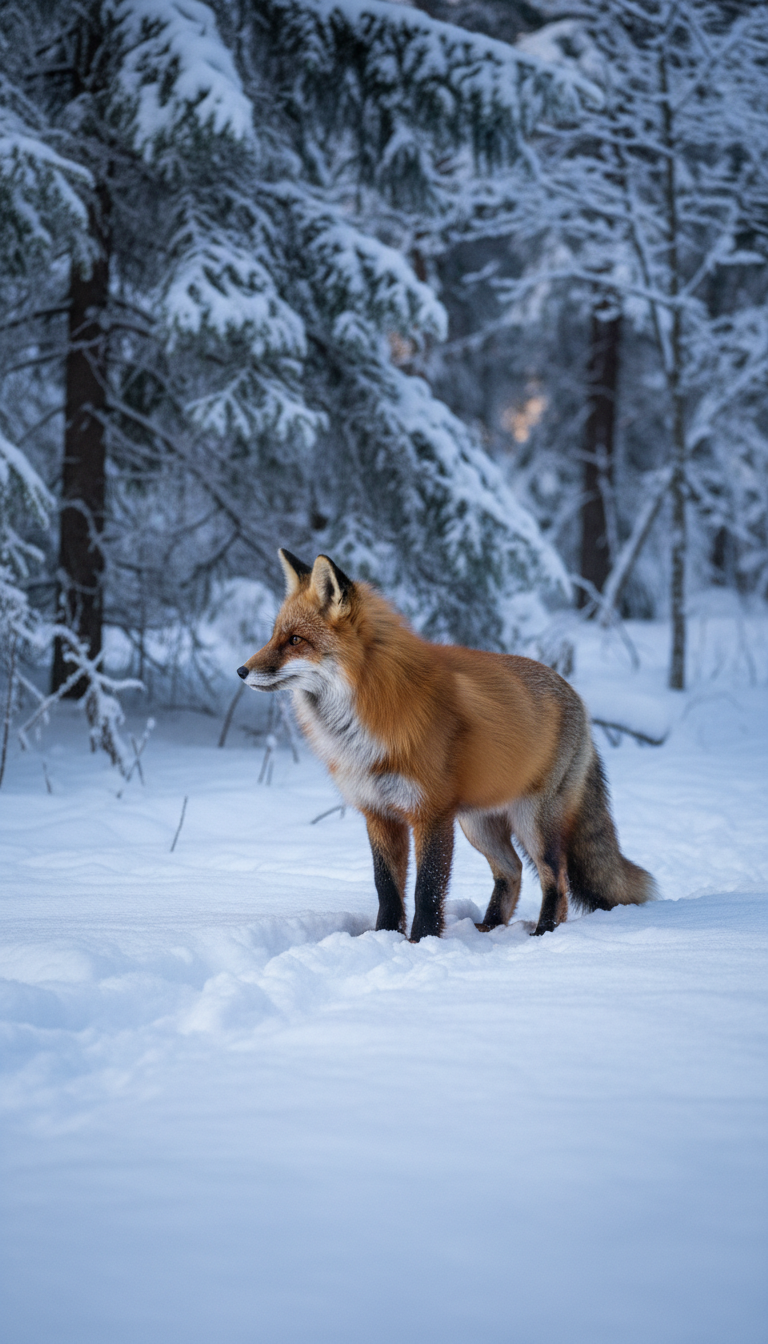
Preserving natural habitats is a fundamental aspect of wildlife management. During winter, animals face challenges such as reduced food availability and harsh weather conditions. Maintaining and protecting critical habitats, such as forests, wetlands, and grasslands, is essential for providing shelter and sustenance.
Organizations and government bodies work together to monitor and manage these habitats, ensuring that they remain conducive to the needs of wildlife. This often involves controlling human activities that may disrupt these environments.
Strategies for Food and Water Supply
Winter can be a difficult time for wildlife as natural food sources become scarce. Supplementary feeding programs can be implemented to help animals survive the colder months. These programs must be carefully managed to avoid dependency and ensure they do not interfere with natural foraging behaviors.

Water sources can also freeze over during winter, making it challenging for animals to stay hydrated. Wildlife managers may create or maintain open water areas to provide essential access to water throughout the season.
Monitoring and Research Efforts
Continuous monitoring and research are vital components of effective wildlife management. By studying animal behavior and population dynamics, experts can develop strategies that align with the needs of different species. Tracking technologies, such as GPS collars and camera traps, provide valuable data on animal movements and habitat use.
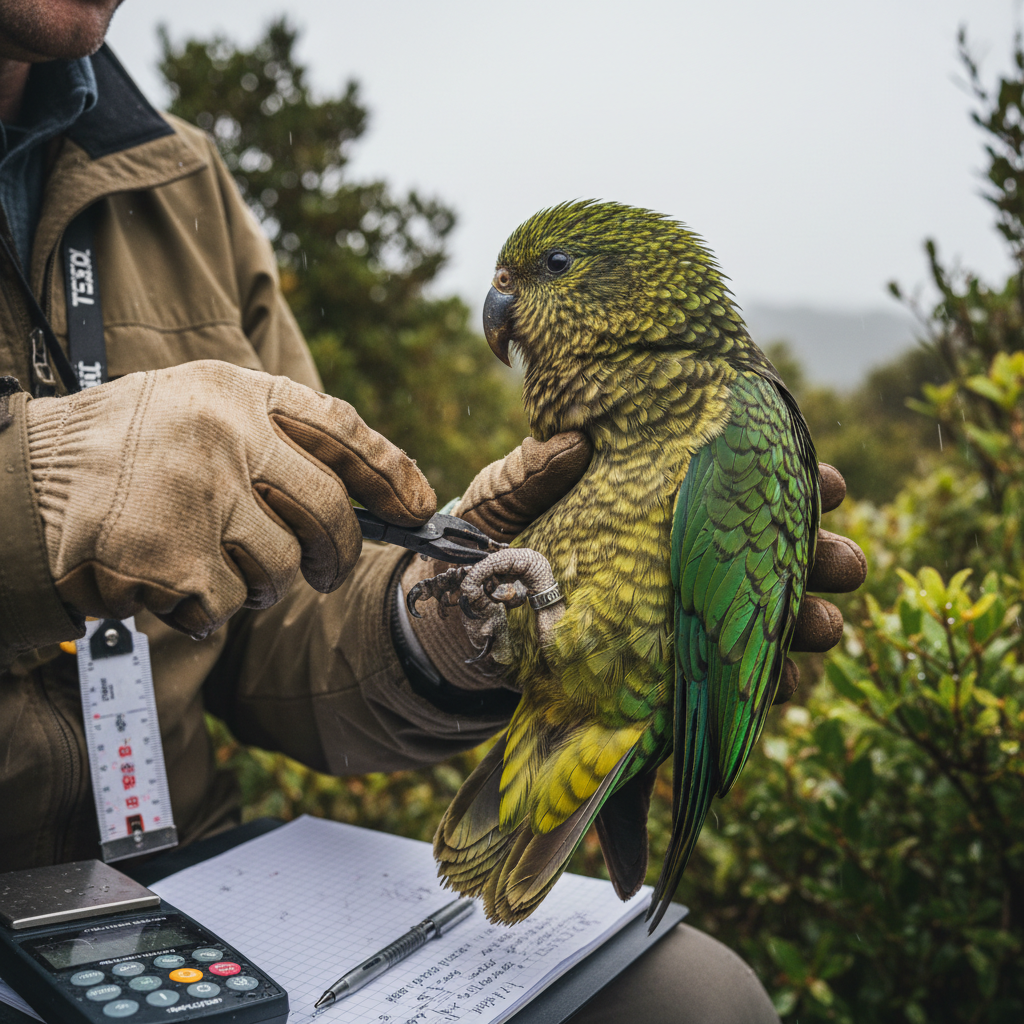
Research also helps in understanding the impacts of climate change on winter habitats and wildlife. This knowledge is crucial for adapting management strategies to meet future challenges.
Community Involvement and Education
Engaging local communities is an important part of wildlife management. Educating the public about the significance of wildlife conservation and responsible land use can foster a supportive environment for preservation efforts. Community involvement can also include citizen science projects, where locals participate in data collection and monitoring activities.
Additionally, promoting awareness about the impacts of human activities on wildlife can lead to more sustainable practices and policies that benefit both people and animals.
Challenges and Future Directions
Despite ongoing efforts, wildlife management in Alberta faces challenges such as habitat loss, climate change, and increasing human-wildlife conflicts. Addressing these issues requires innovative solutions and collaborative approaches involving governments, conservation organizations, and the public.
Moving forward, adopting adaptive management strategies that incorporate new research findings and technological advancements will be key to ensuring the resilience of Alberta's wildlife populations.