Winter Wildlife Management Strategies in Alberta
LL
Understanding Alberta's Winter Wildlife
Alberta's diverse landscapes provide a habitat for a multitude of wildlife species, even during the harsh winter months. Understanding these ecosystems is essential for effective wildlife management. The cold season presents unique challenges, and specific strategies are necessary to ensure the survival and health of local wildlife populations.
The Importance of Habitat Conservation
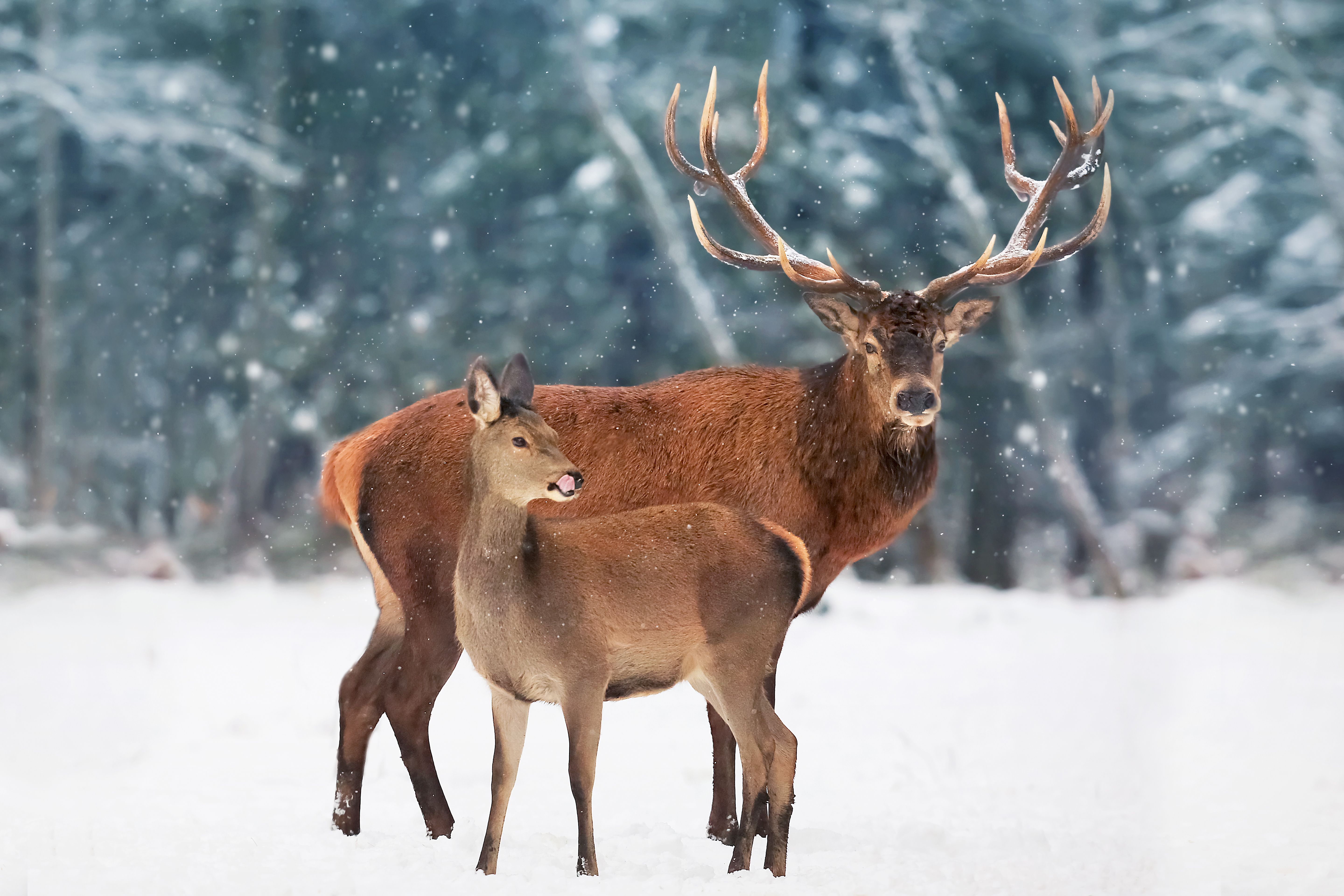
One of the most crucial strategies in winter wildlife management is habitat conservation. During winter, many animals rely on specific areas for shelter and food. Protecting these habitats from human encroachment and environmental degradation is vital. Measures such as establishing protected areas and promoting sustainable land use can help maintain these essential habitats.
Conservation efforts should focus on preserving forested regions, wetlands, and grasslands, as these areas provide critical resources for animals like deer, moose, and a variety of bird species. Ensuring these habitats remain undisturbed allows wildlife to thrive even in the coldest months.
Supplemental Feeding Programs
In extreme winter conditions, natural food sources can become scarce. Supplemental feeding programs can support wildlife during these tough times. However, these programs should be carefully managed to avoid dependency and ensure that they are only implemented when necessary.
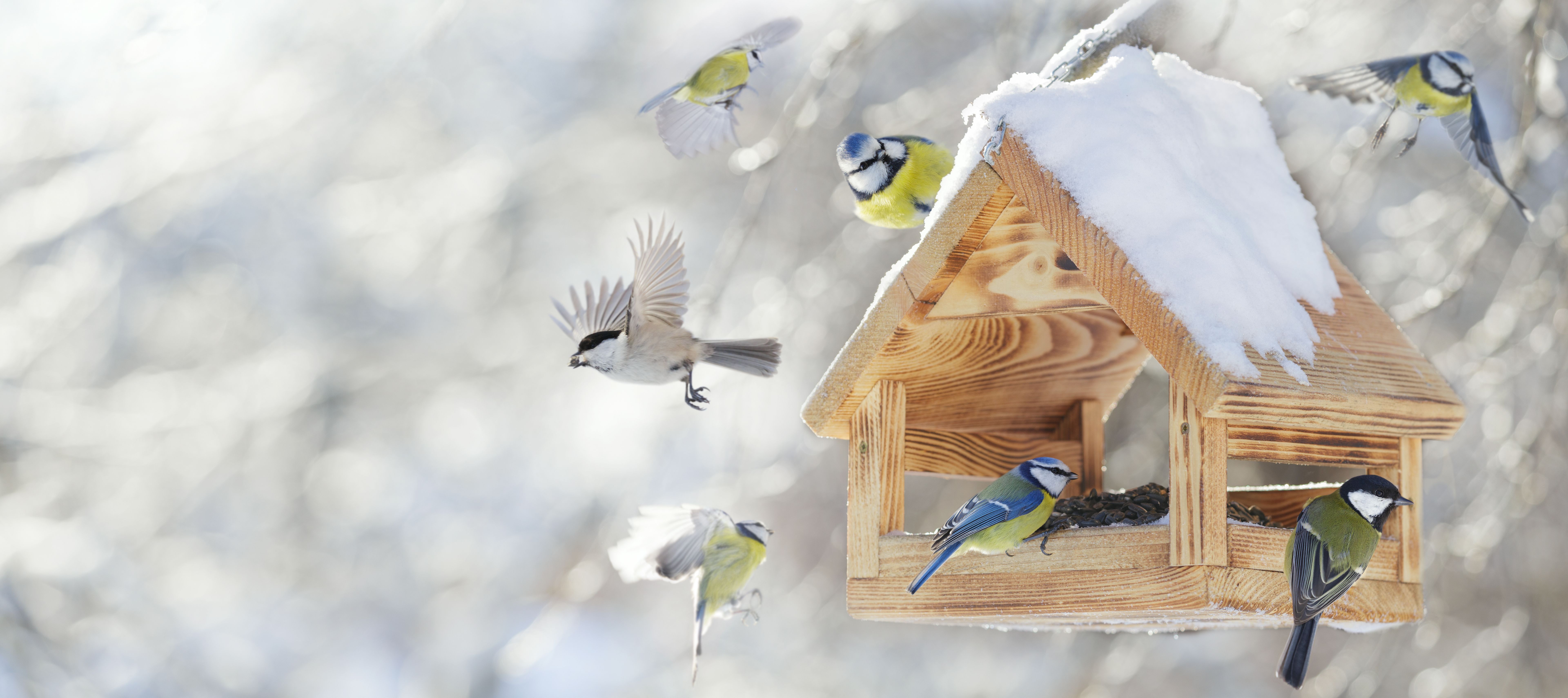
Strategically placed feeding stations can help support species like elk and bighorn sheep without disrupting their natural foraging behaviors. It is essential to monitor these programs closely to assess their impact and effectiveness.
Managing Human-Wildlife Interactions
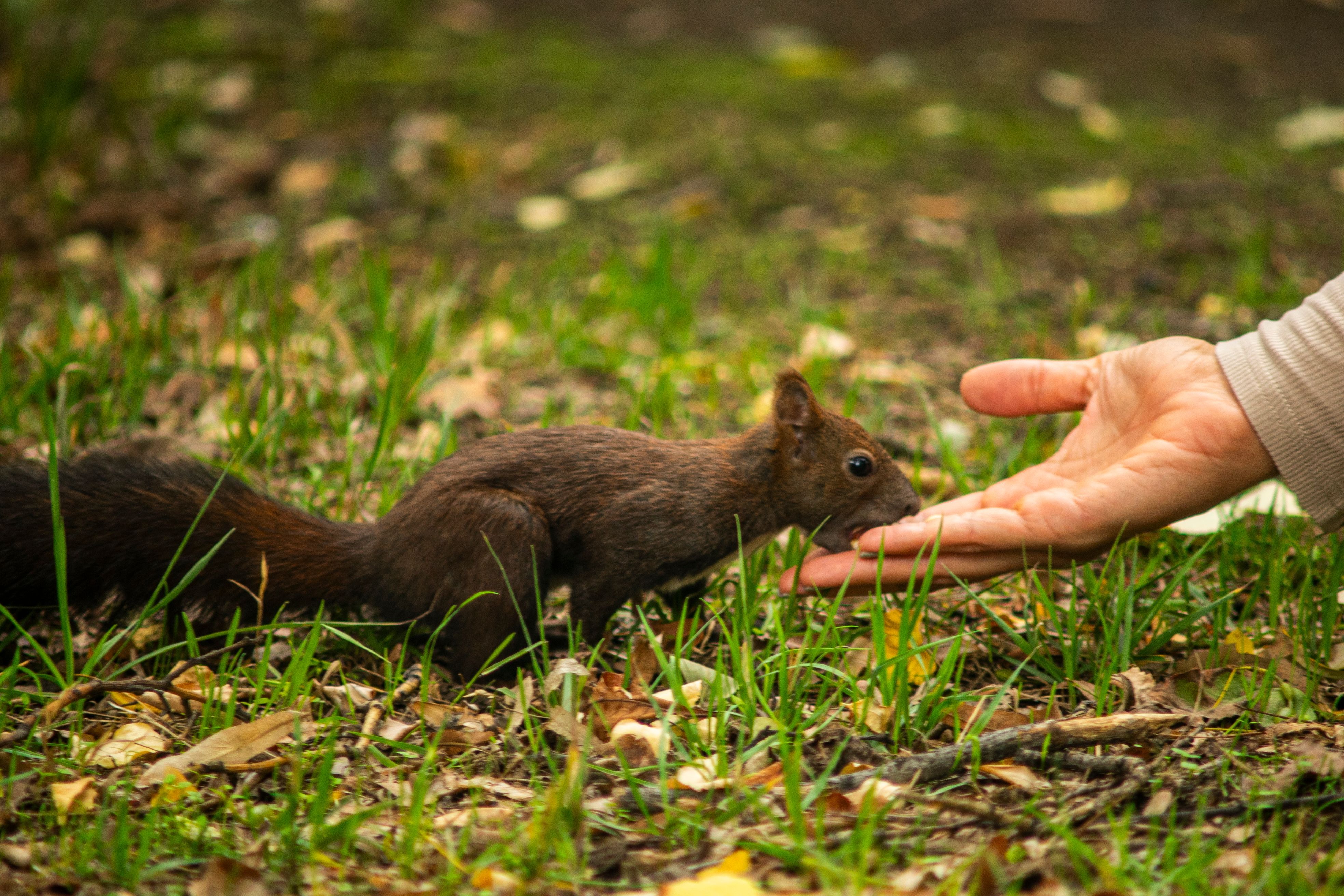
Winter sports and recreational activities can inadvertently affect wildlife. Managing human-wildlife interactions is critical to minimizing stress and disturbance to animals. Public awareness campaigns can educate people on how to enjoy outdoor activities responsibly.
Encouraging responsible behavior, such as maintaining a safe distance from wildlife and respecting closure signs, helps minimize the impact on animal populations. Additionally, enforcing regulations and guidelines can further protect vulnerable species during winter.
Monitoring and Research
Ongoing monitoring and research are essential components of winter wildlife management. By tracking animal movements, population dynamics, and habitat conditions, researchers can gather valuable data to inform management strategies. Technology, such as GPS tracking and remote cameras, plays a significant role in these efforts.
Research initiatives can lead to a better understanding of how wildlife adapts to changing environmental conditions, allowing for more effective conservation measures. Collaboration between government agencies, conservation organizations, and local communities is crucial for these initiatives to succeed.
Conclusion
Effective winter wildlife management in Alberta requires a combination of habitat conservation, supplemental feeding, responsible human interaction, and continuous research. As we strive to protect our natural heritage, these strategies ensure that wildlife can endure the challenges of winter and continue to thrive in Alberta's beautiful landscapes.